
A special place on Mexico’s map.
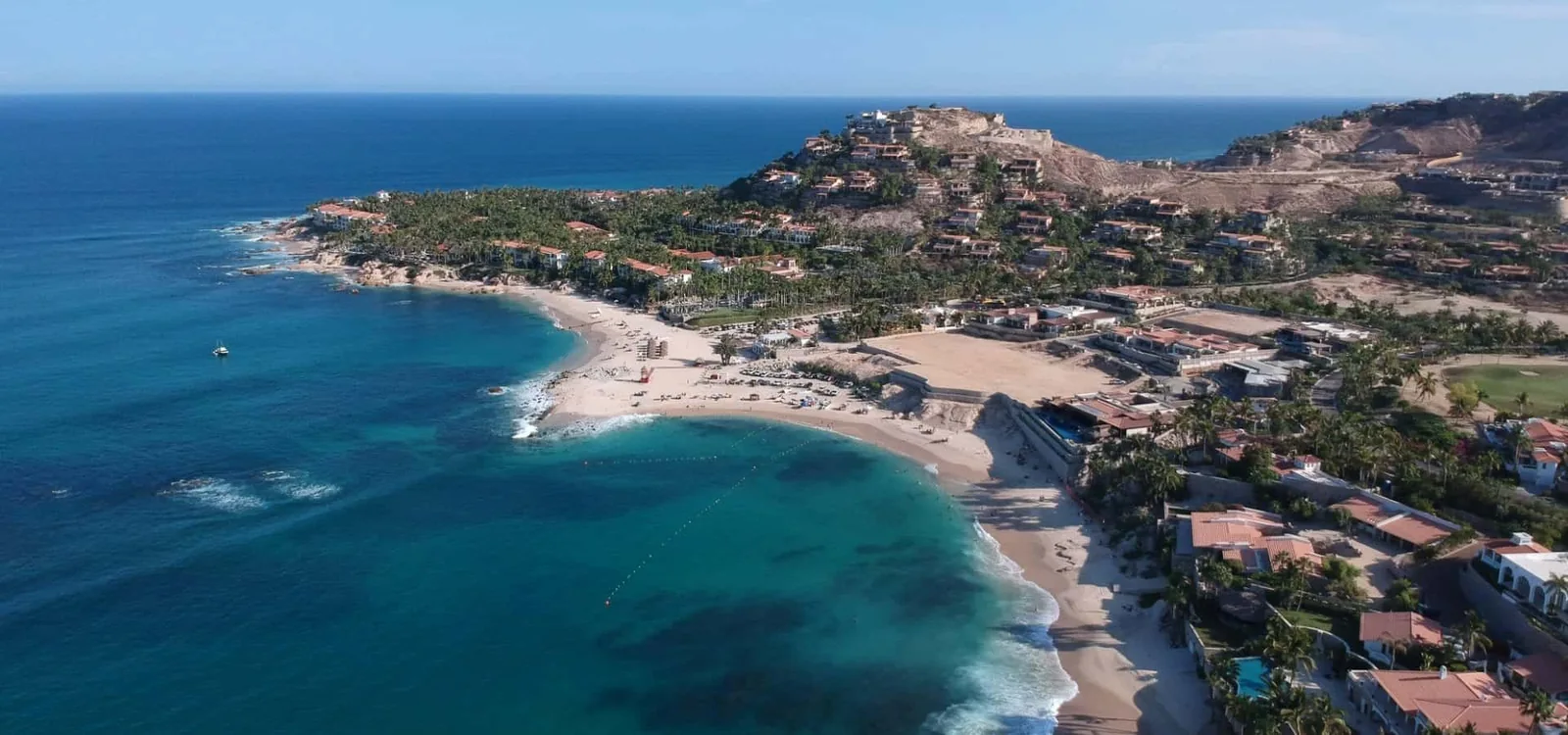
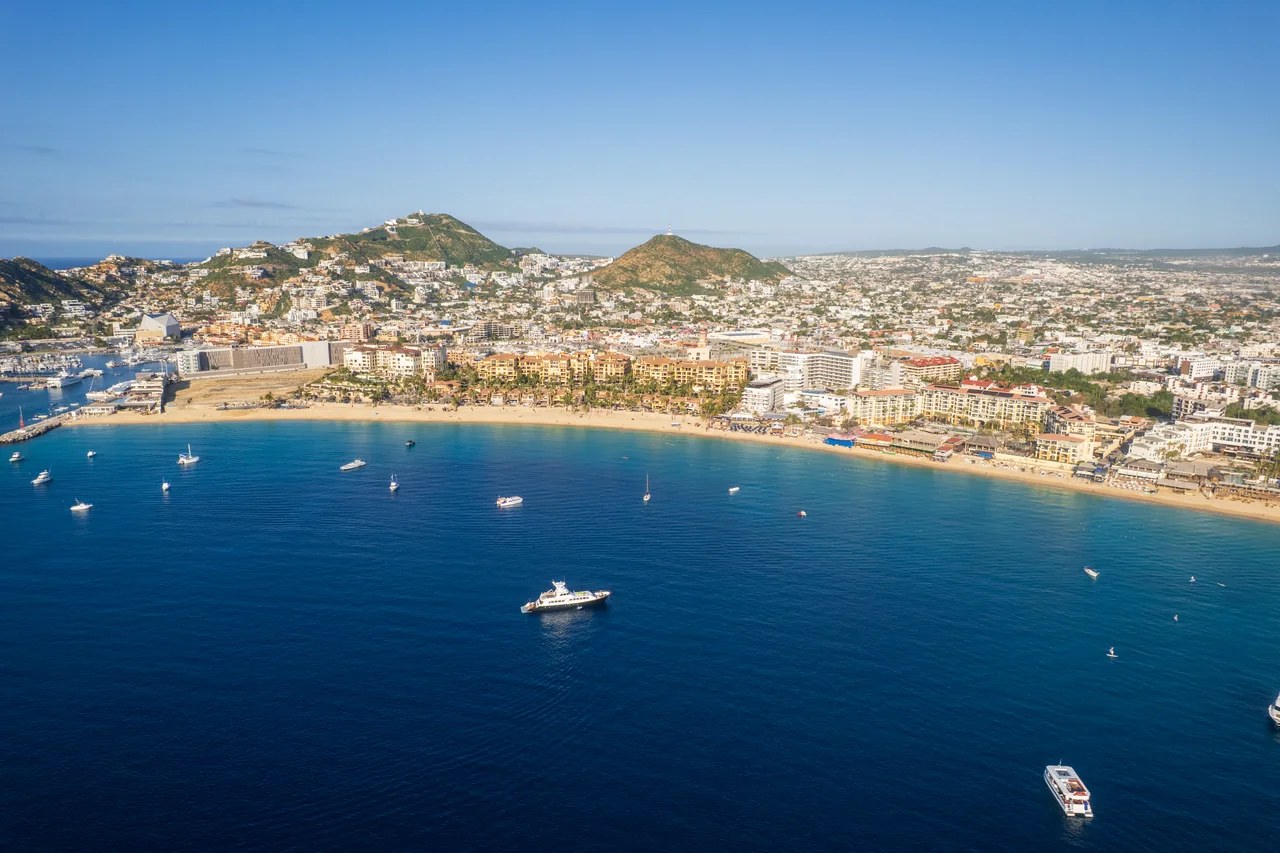
Without a doubt, Cabo San Lucas holds a special place on Mexico’s map. As you walk its streets or sit for coffee near the town center, you immediately sense a certain magic: a contrast between the sheer scale of a world-class natural landmark, the Arch at Land’s End, visited by thousands of travelers each year, and the beautiful simplicity of everyday life. This is a vibrant community that has warmly welcomed workers and investors not only from across Mexico but from all corners of the globe.
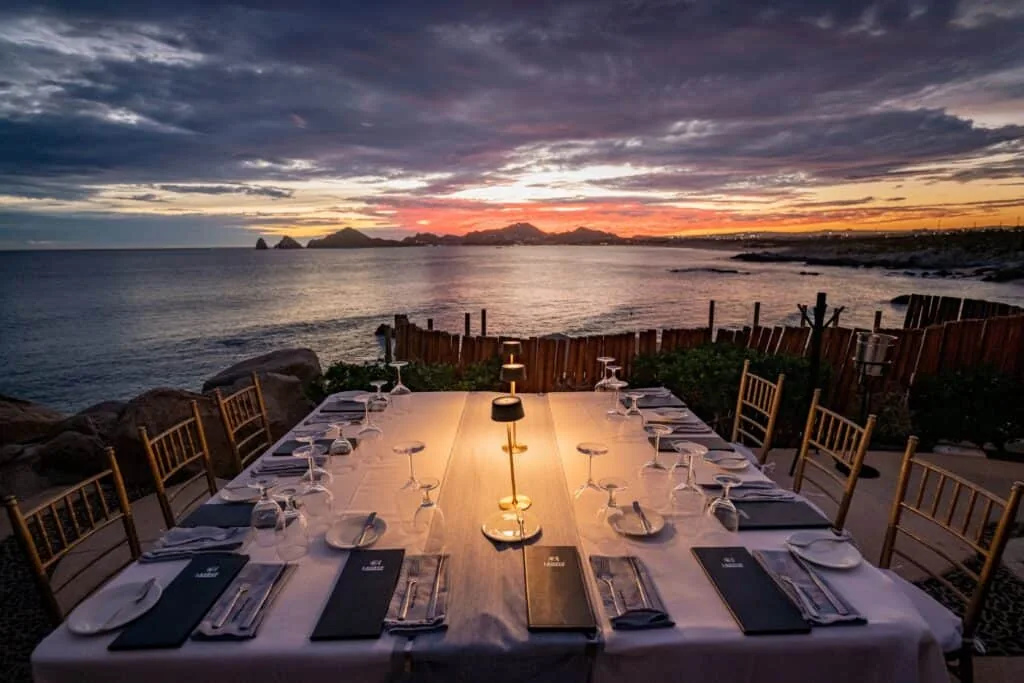
While the North American community is the most prominent and has played a major role in establishing Cabo San Lucas as a premier global destination, the essential, defining element remains the warmth of the Mexican people. This genuine hospitality, the kind that makes you feel at home from the very first greeting, combined with an exquisite, unique culinary scene, forms the soul of the place. It is precisely these qualities that make this destination a perfect sanctuary for anyone who cherishes a connection with nature.
Connected to the world, close to nature.
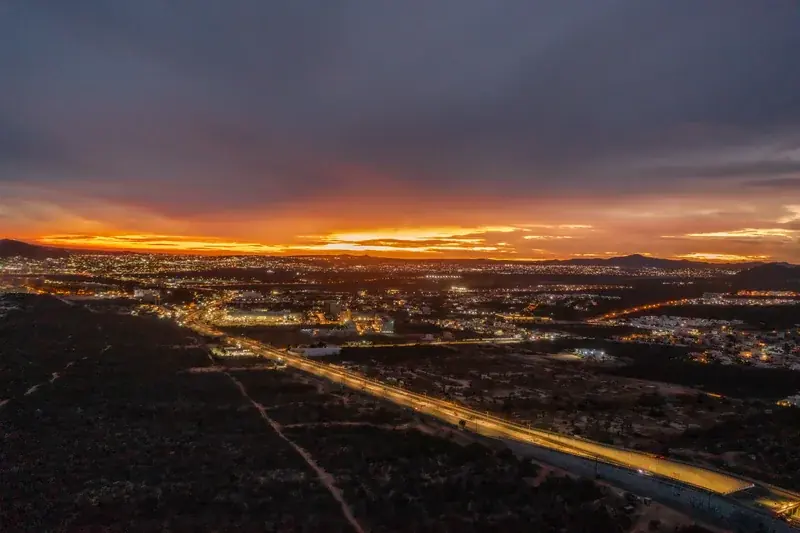
Today, Cabo San Lucas is well connected through Los Cabos International Airport (SJD), which handled about 7.5 million passengers in 2025, with 16 airlines serving some 52 domestic and international destinations. [4] The city is increasingly establishing itself as a highly sought-after luxury destination.
Yet, beyond the glamour and luxury, Cabo San Lucas invites deeper reflection. Its captivating environment continues to draw investors, and its reputation for safety and excellent connectivity make it an appealing setting for families seeking both development and natural beauty, along with a more relaxed lifestyle in tune with the natural world.
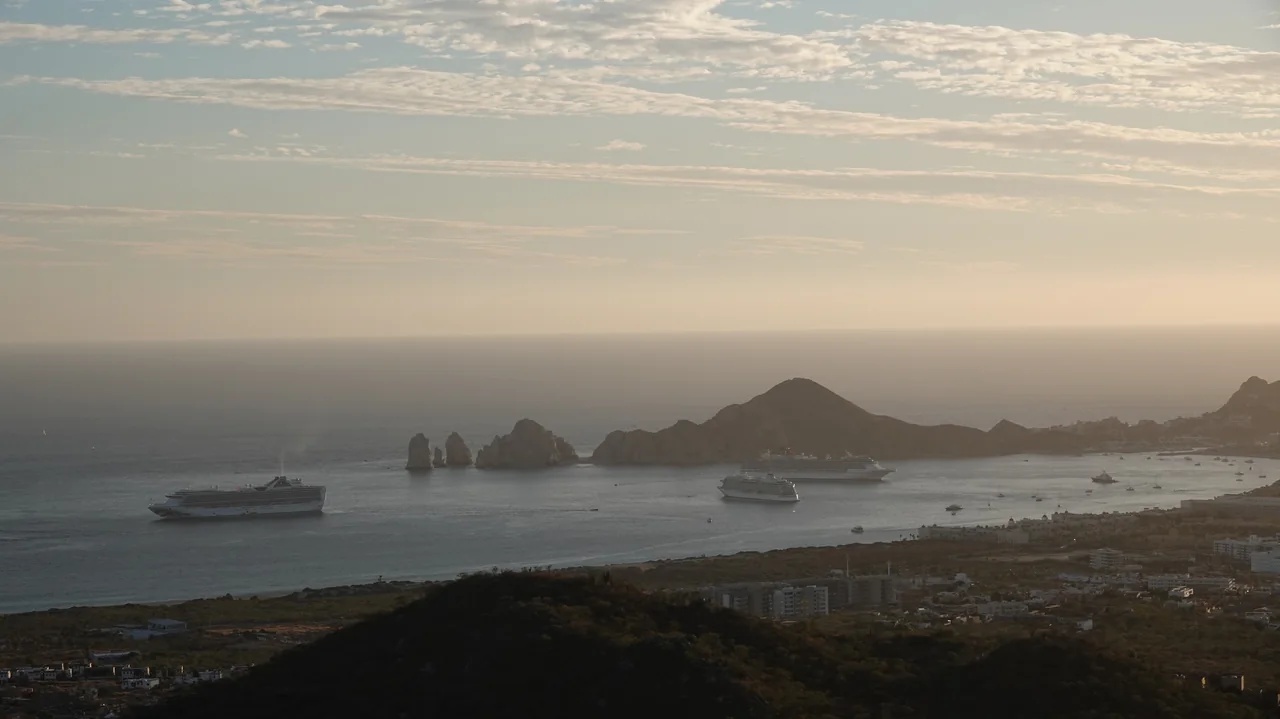
The history of Cabo San Lucas begins with the Pericú.
While the city’s development continues to expand, we also love to honor its roots. Before the arrival of the Spanish, this area was home to the Pericú people, hunter-gatherers and fishers perfectly adapted to the region’s unique marine-desert coast, who used rafts of reeds or light wood to fish, hunt sea turtles and reach the islands of the Gulf. The Pericú called the area Yenekamú. [3] [5]
From the 1540s, Spanish maps and records began calling the southern tip of the peninsula “Punta California” or “Cabo California.” History offers a fascinating detail: in 1541, navigator Francisco de Bolaños gave the name San Lucas to the bay at the cape, after St. Luke, whose feast day, October 18, was the day he arrived. Over time, the name passed to the cape itself. [1] [2]
Although Cabo San Lucas was not permanently settled until the early 19th century (the first land title there was granted in 1823), a welcoming spirit has always lingered in its breeze. From that time to the present, the vibrant city of Cabo San Lucas has offered a wealth of wonderful opportunities to those who choose to visit or invest in it. [1]

Laura Valdemoros
Born in Argentina and based in Los Cabos, Laura is a bilingual content writer specializing in tourism, nature, gastronomy, lifestyle, luxury travel, culture and alternative education.
Read Laura’s full biography
She creates blogs, newsletters, articles, documentary scripts, advertising copy and subtitles in Spanish and English, combining research, creativity and clear communication.
With a university-level technical qualification in Tourism and postgraduate training in Environmental Management and Sustainable Development, she brings a broad perspective to every project. Her experience in museums, visitor services and educational guidance for homeschooling and unschooling helps her understand different audiences and turn complex ideas into approachable, engaging content.
Proactive and committed to every project she undertakes, Laura currently develops editorial and audiovisual projects, collaborates with nature-focused organizations and is working on a book about education outside the traditional school system.
Sources and photography
Story by Laura Valdemoros, with factual editing by What’s in Cabo. Sources checked October 31, 2026. Hero coordinates: INEGI locality catalog (Cabo San Lucas, 030080054). Laura’s biography was provided by the contributor.
- Los Cabos Municipal Tourism · Cabo San Lucas monograph: the Pericú, early place names and first settlement
- Henry R. Wagner · Spanish Voyages to the Northwest Coast of America in the Sixteenth Century (1929): Bolaños and the name San Lucas
- INAH · “Los pericúes de Monte Cuevoso, Baja California Sur,” Arqueología 39 (2008)
- Grupo Aeroportuario del Pacífico · 2025 annual report (Form 20-F): Los Cabos International Airport
- W. Michael Mathes · “Baja California Indians in the Spanish Maritime Service, 1720–1821” (1980): Pericú rafts
Story photographs © Adrián De Antoni, from his What’s in Cabo production archive. Guide cards use photographs from the linked What’s in Cabo guides.