Skip to the guide
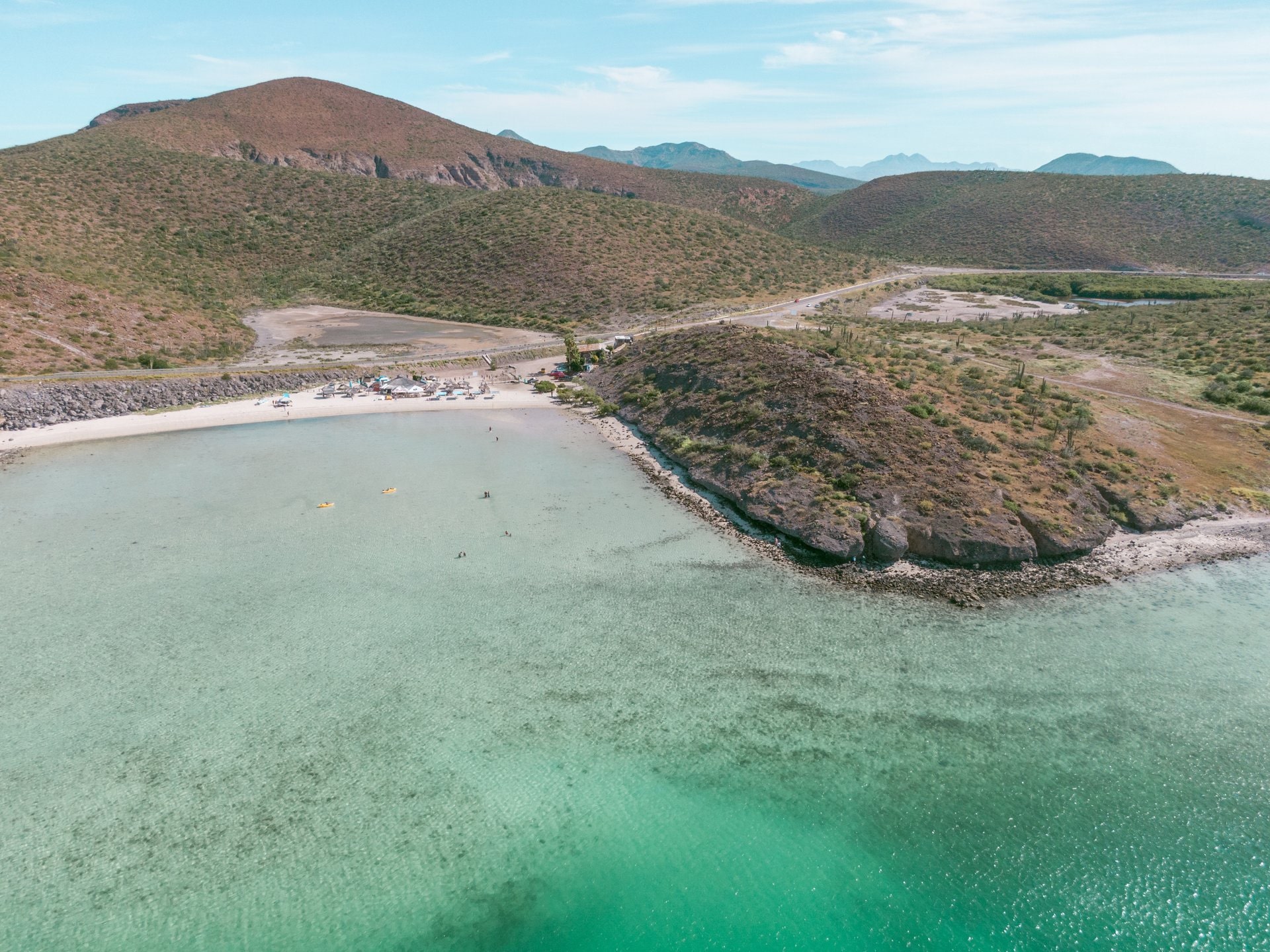
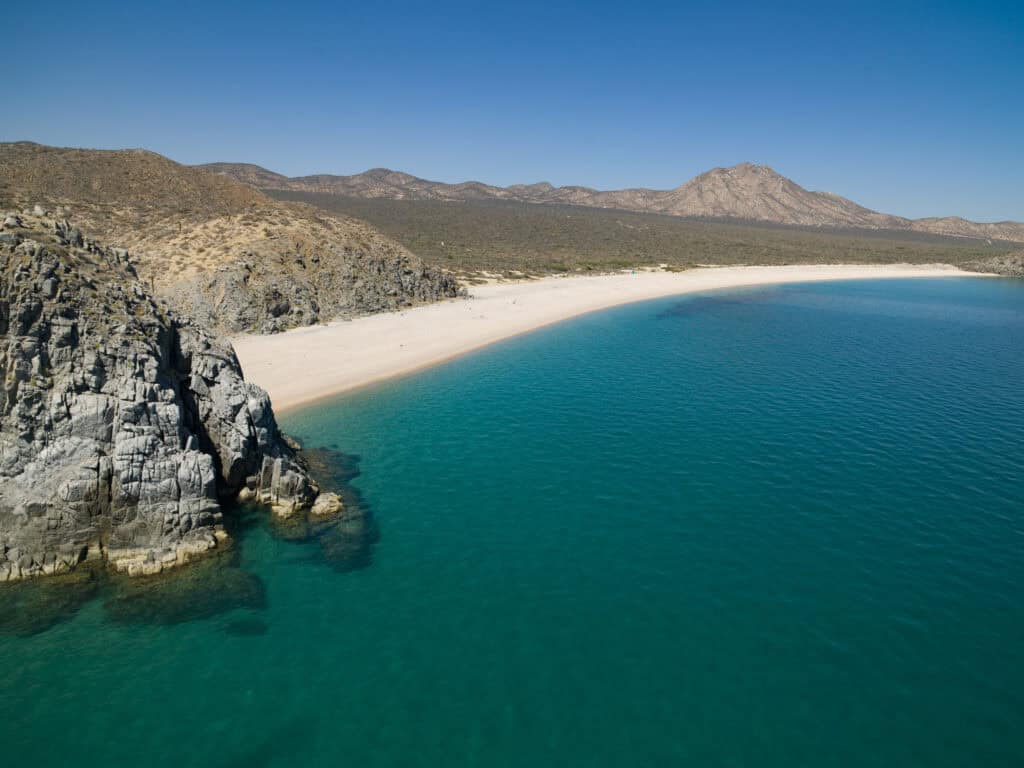
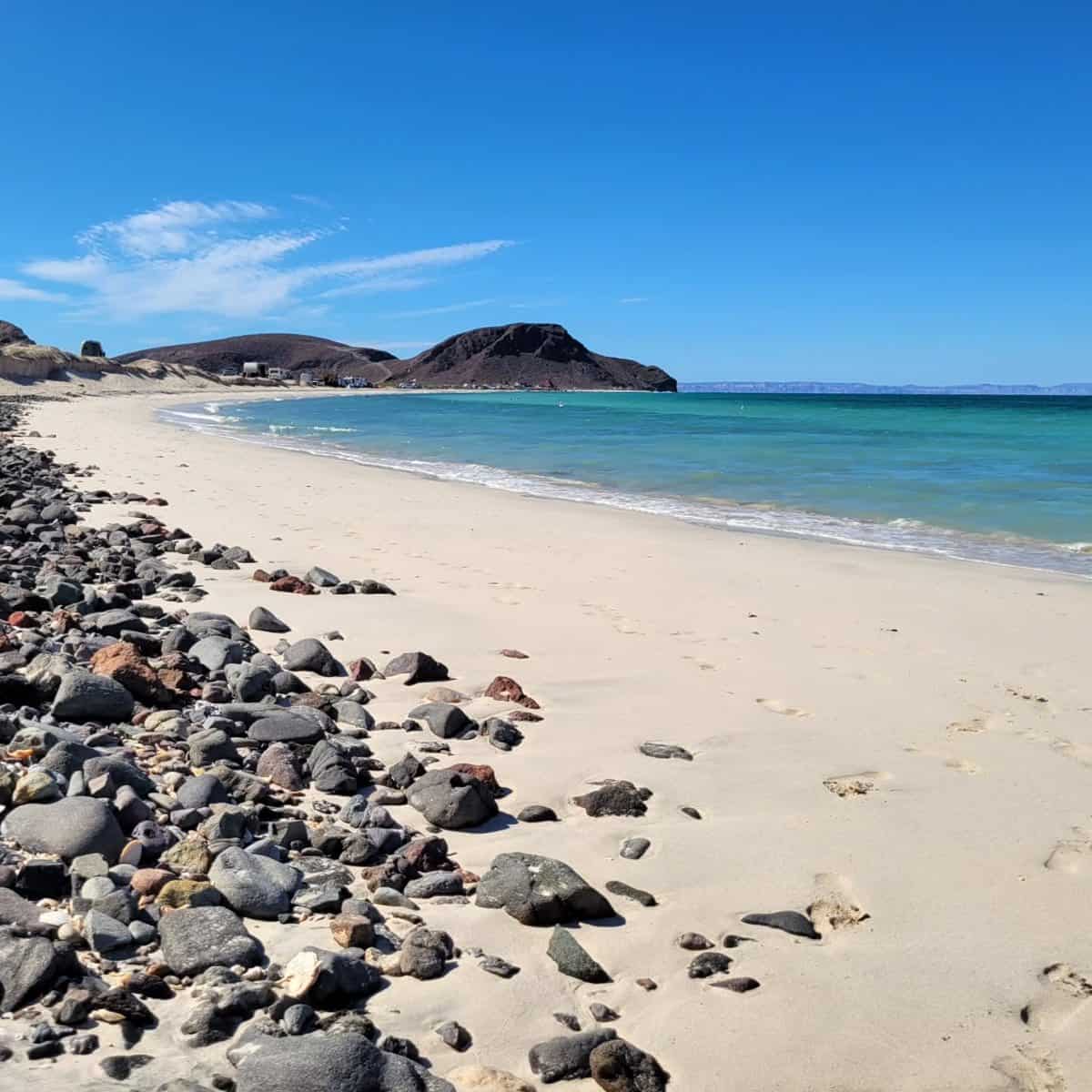
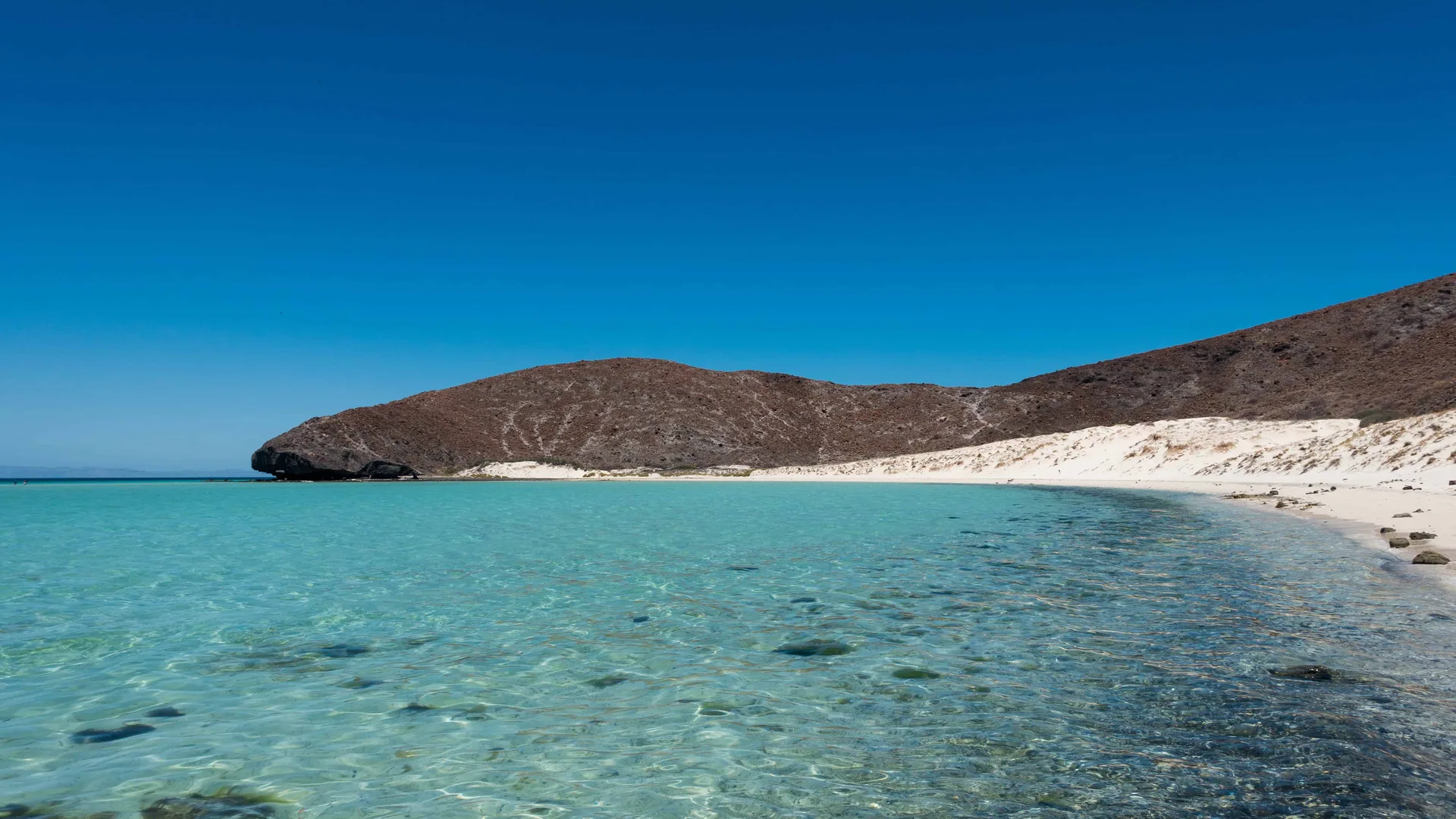
The turquoise shallows of Balandra beach in La Paz, with the bare headland and white sand behind.

Baja California Sur · La Paz

La Paz: the calm side of the Sea of Cortez.

A state capital on a shallow, turquoise bay: Balandra and El Tecolote down the road, Espíritu Santo and its sea lions across the water, whale sharks from October to April, and a five-kilometre malecón for the sunset.

Photo: Nathan Dugal, CC BY 2.0

La Paz:
the capital on the bay.

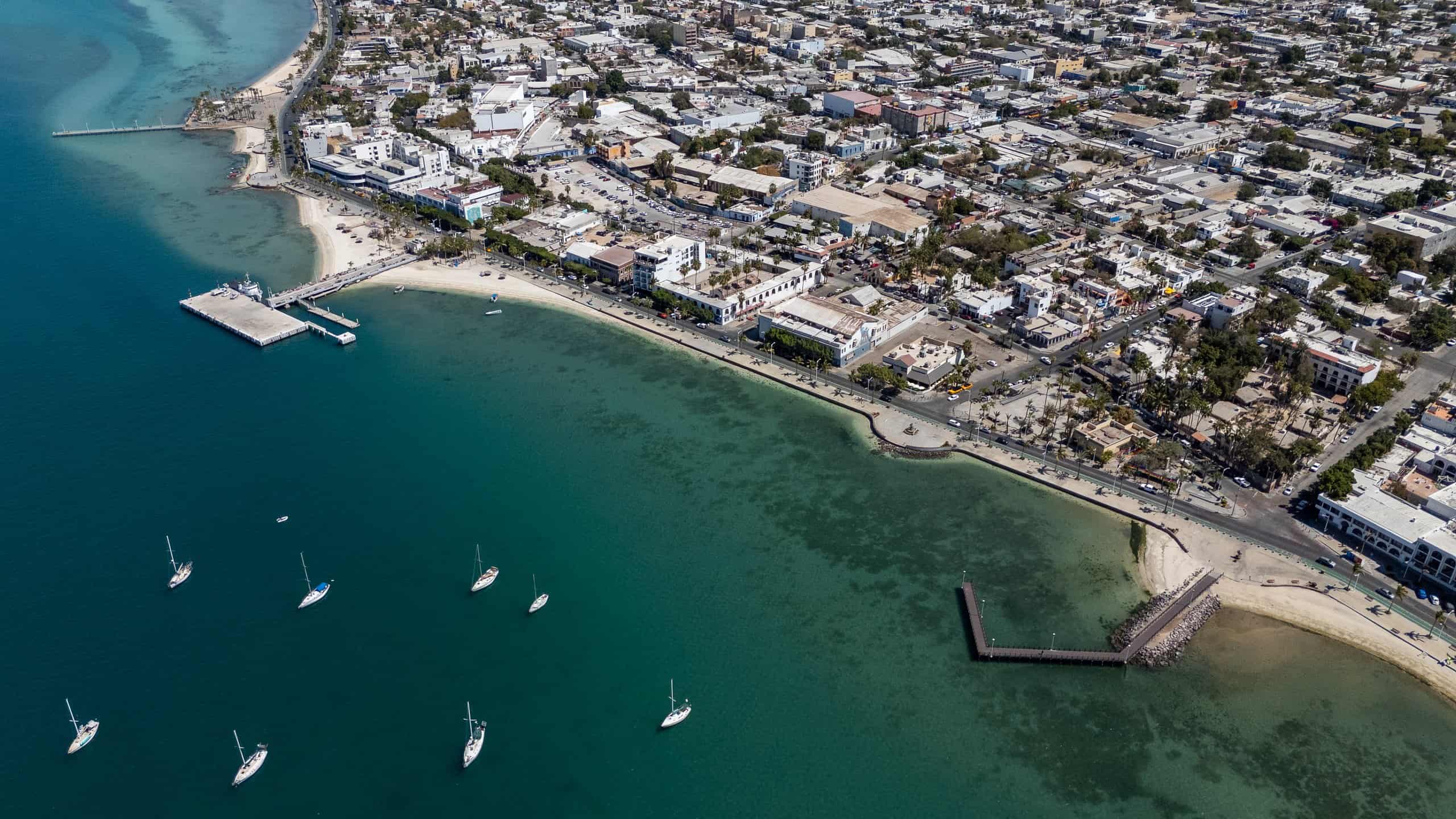
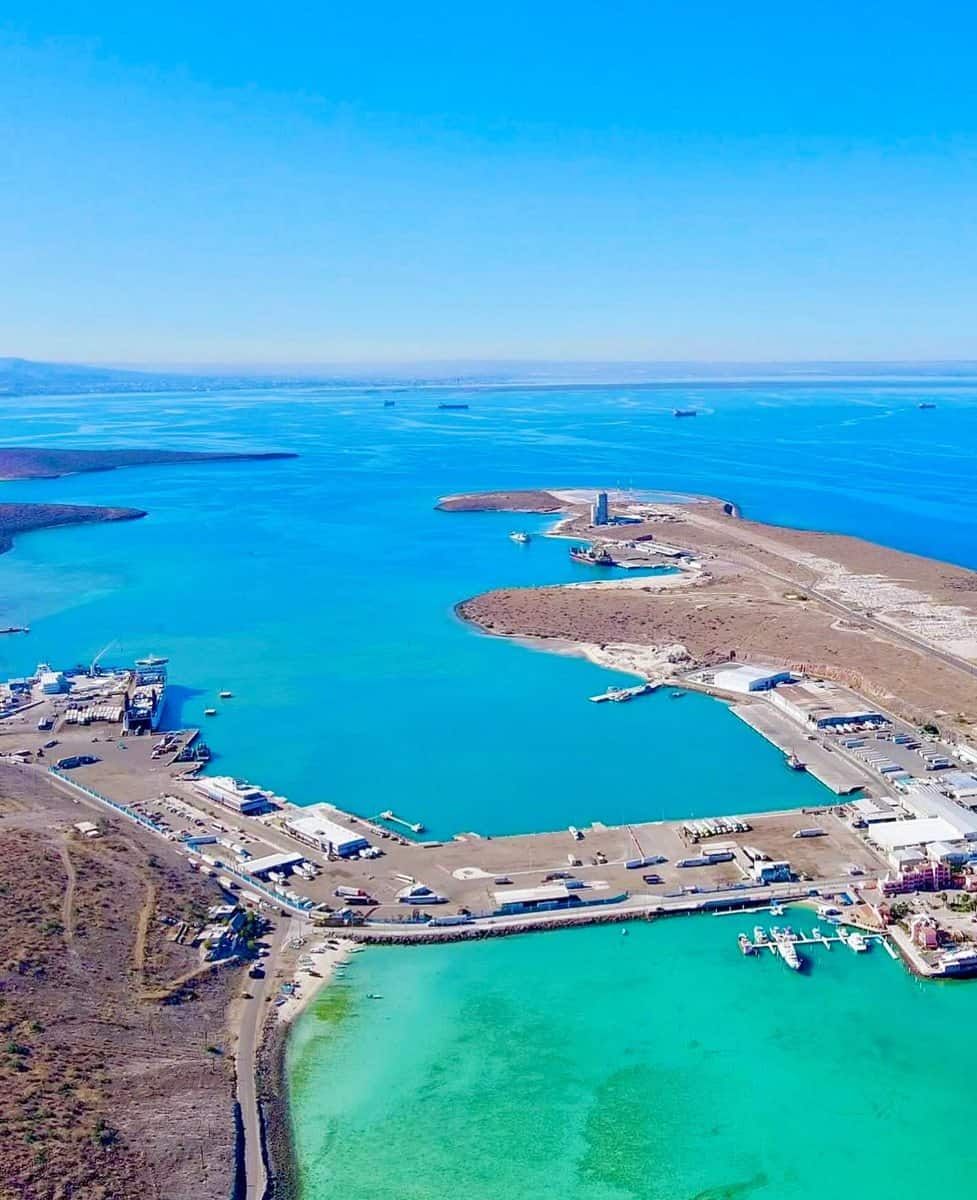
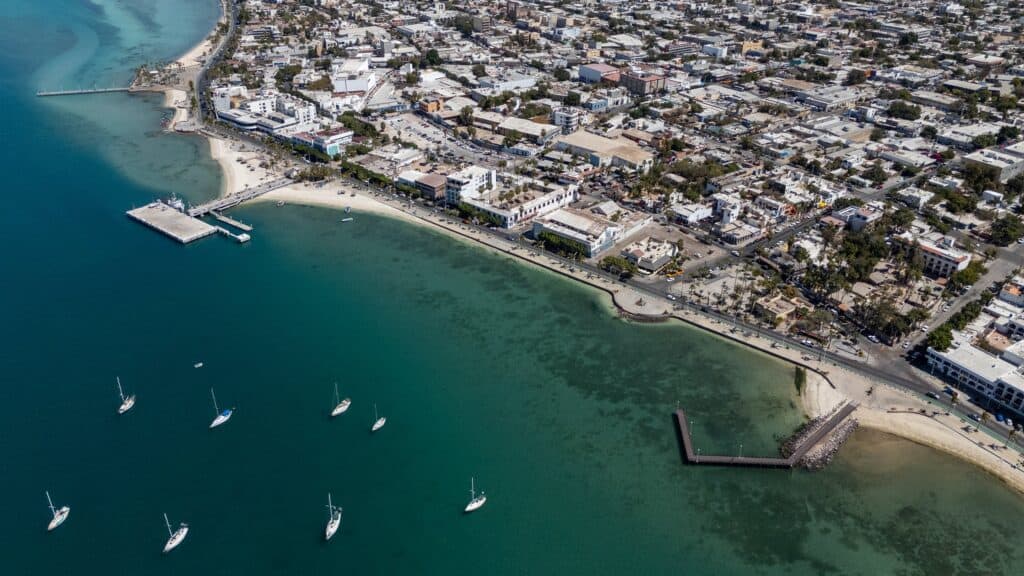
The malecón of La Paz, the beach and the moored sailboats from above
The malecón of La Paz, the beach and the moored sailboats from above · Photo: ProtoplasmaKid, CC BY-SA 4.0

Five kilometres of waterfront.

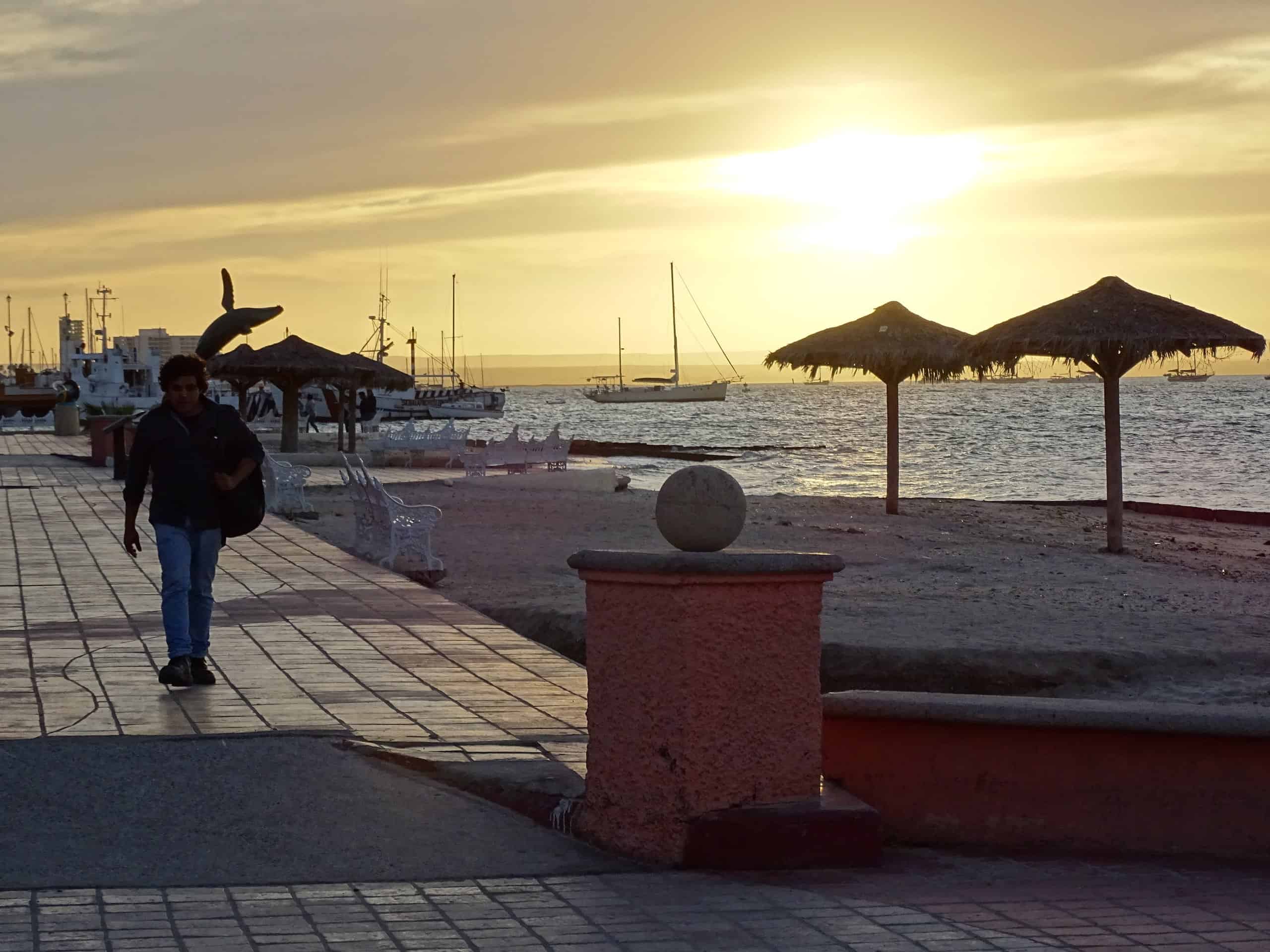
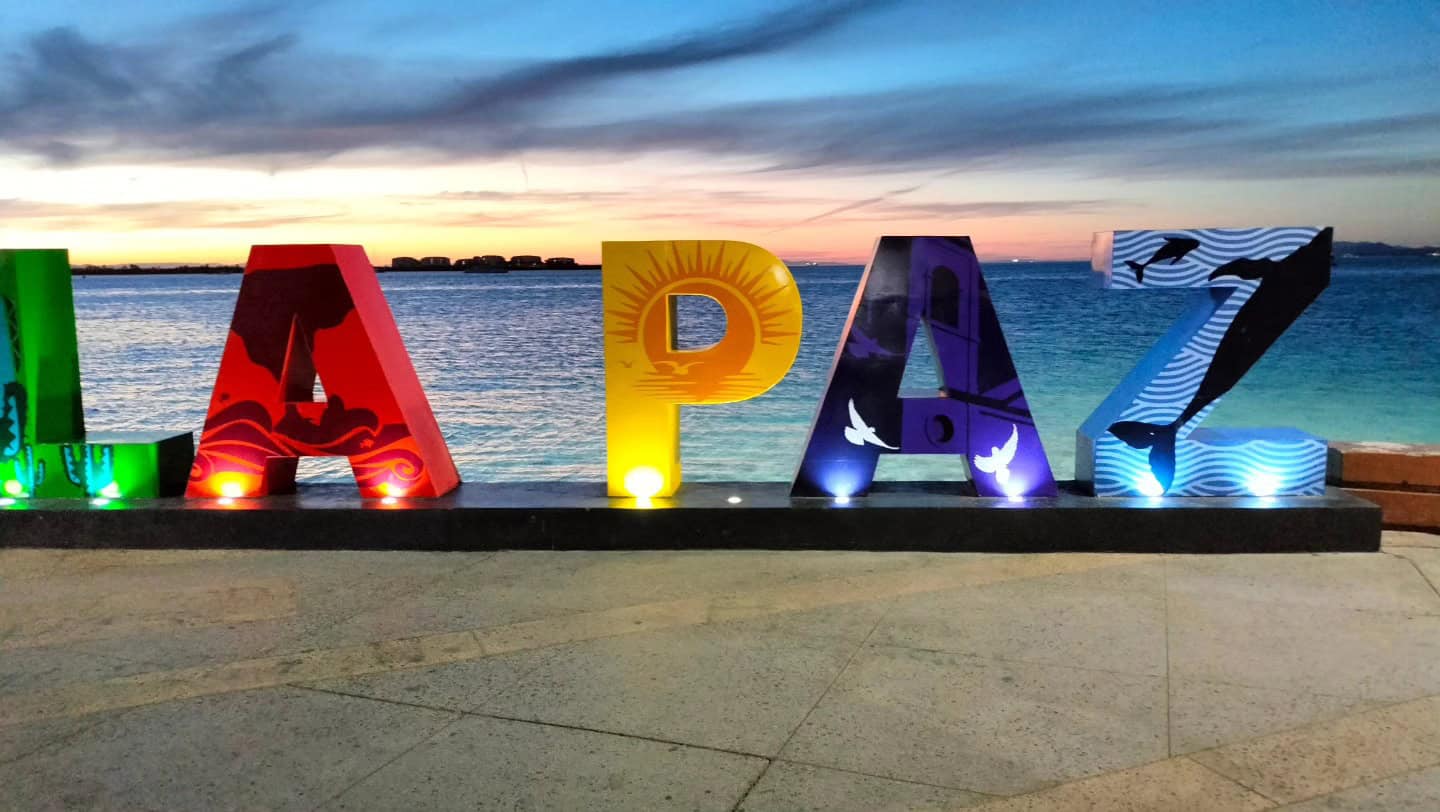
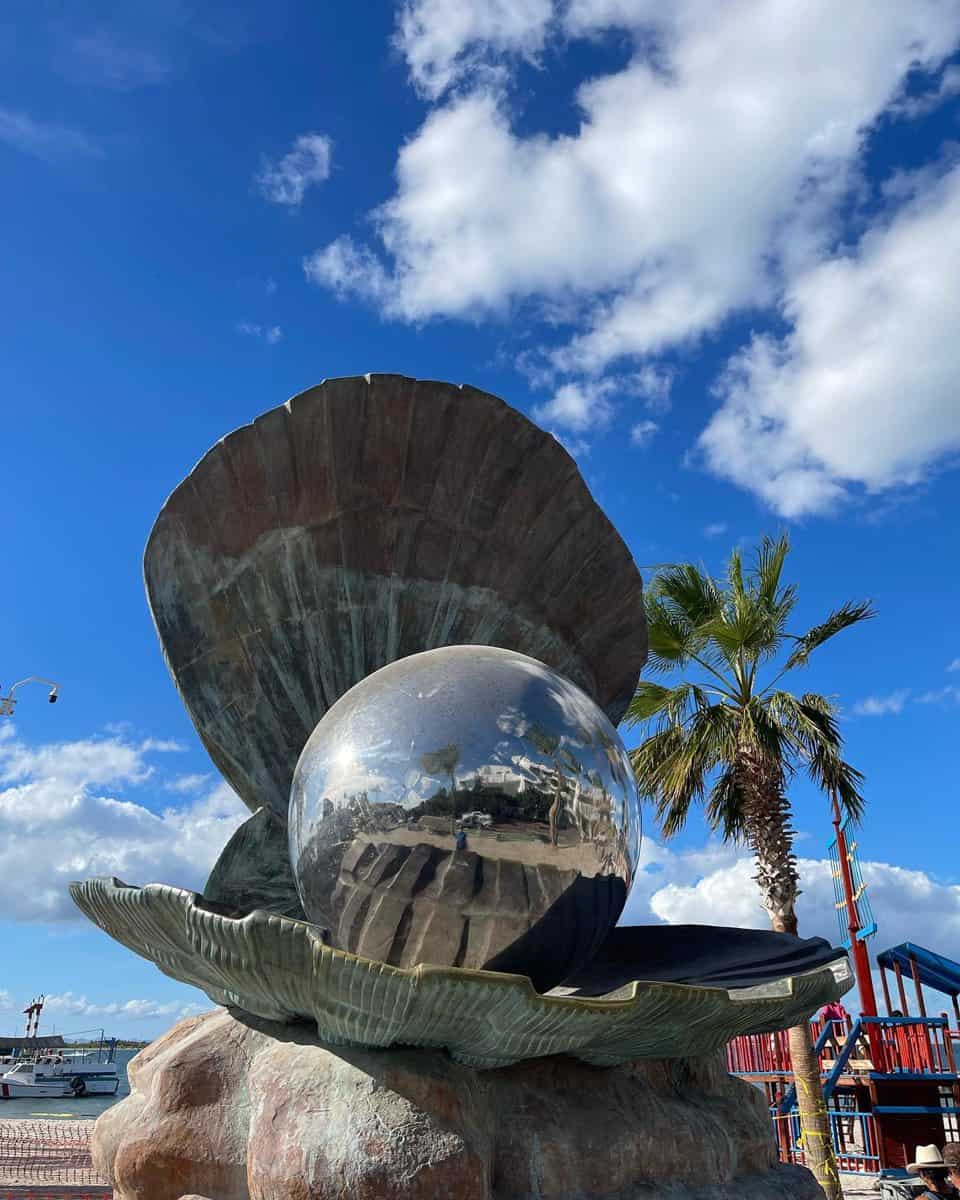
Hernán Cortés landed in this bay on 3 May 1535 and named it Puerto y Bahía de Santa Cruz; the settlement failed, and the Jesuits founded the mission of Nuestra Señora del Pilar de La Paz here in 1720. Today La Paz is the state capital, a municipality of 292,241 people in the 2020 census, and a city that lives on its malecón: five kilometres of waterfront opened in 1926, with the kiosk first built in 1927, the sculptures of La Perla, Jacques Cousteau and El Viejo y el Mar, the big LA PAZ letters, bike and kayak rentals, the tour boats for Espíritu Santo, and a sunset the whole town turns out for.

Explore El Coromuel

The old town.

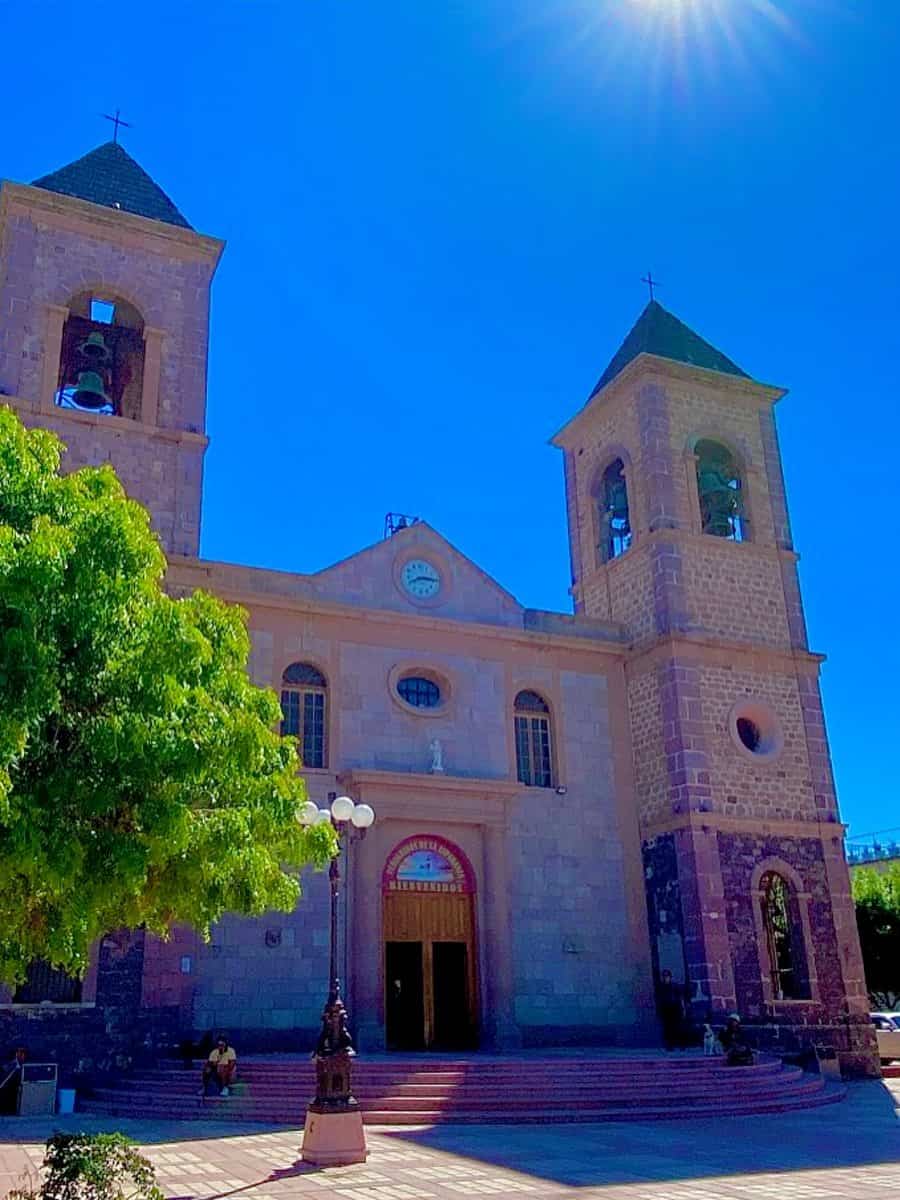
A few streets in from the water, the cathedral of Nuestra Señora de La Paz went up between 1861 and 1865 on the site of the Jesuit mission of 1720, and is open every day. The Museo de la Ballena keeps a blue whale skeleton and the first complete male orca in Mexico, and the regional anthropology museum, open since 1981, tells the peninsula from the cave paintings to the missions. Since 2017 the Ciudad Mural project has painted murals across the city, some more than thirty metres long.

When the town celebrates.

Carnaval has been danced in these streets since 1888, was revived in 1988 and now fills the malecón every February or March with parades, comparsas and the ritual burning of the Mal Humor. The Fiestas de Fundación re-enact the landing on the beach by the kiosk from 2 to 7 May, the municipality holds an annual whale shark festival, on 2 May in 2025, and in 2023 the Baja 1000 started from the city for the first time.

The beaches, from the city out

The calmest water
in the south.

El Tesoro from above, the small cove the municipality recommends for small children
El Tesoro from above, the small cove the municipality recommends for small children · Image: El Tesoro Beach

Six beaches on one road, two more beyond.

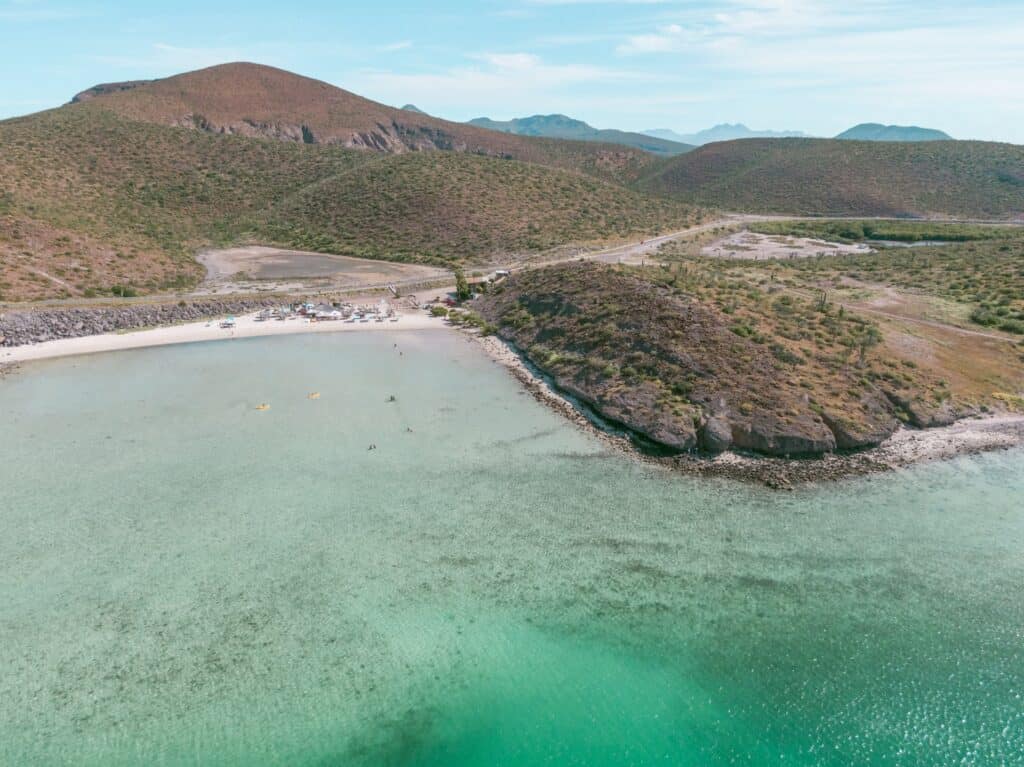
The Pichilingue road runs north out of the city along the bay and strings the beaches like beads: El Coromuel at 2.5 km, El Caimancito, El Tesoro at 13.6 km, the ferry port and Pichilingue at 18 km, Balandra at 27 km and El Tecolote at the end, 30 km out, facing the island. This is sheltered, shallow water most of the way, the kind families wade into. The Playa Bus leaves the malecón terminal every twenty minutes for Pichilingue, with a route on to Balandra and El Tecolote.

Explore El Tesoro

Know your bay Eight beaches, from the city to the island

The municipality lists beach access in La Paz as free; Balandra is the exception, with a wristband and two shifts a day. After heavy summer rain the state health agency asks people to stay out of the urban beaches, from El Conchalito to El Caimancito, for four days, and El Tecolote and El Tesoro had a no-swim warning in June 2024: look for notices before you swim.

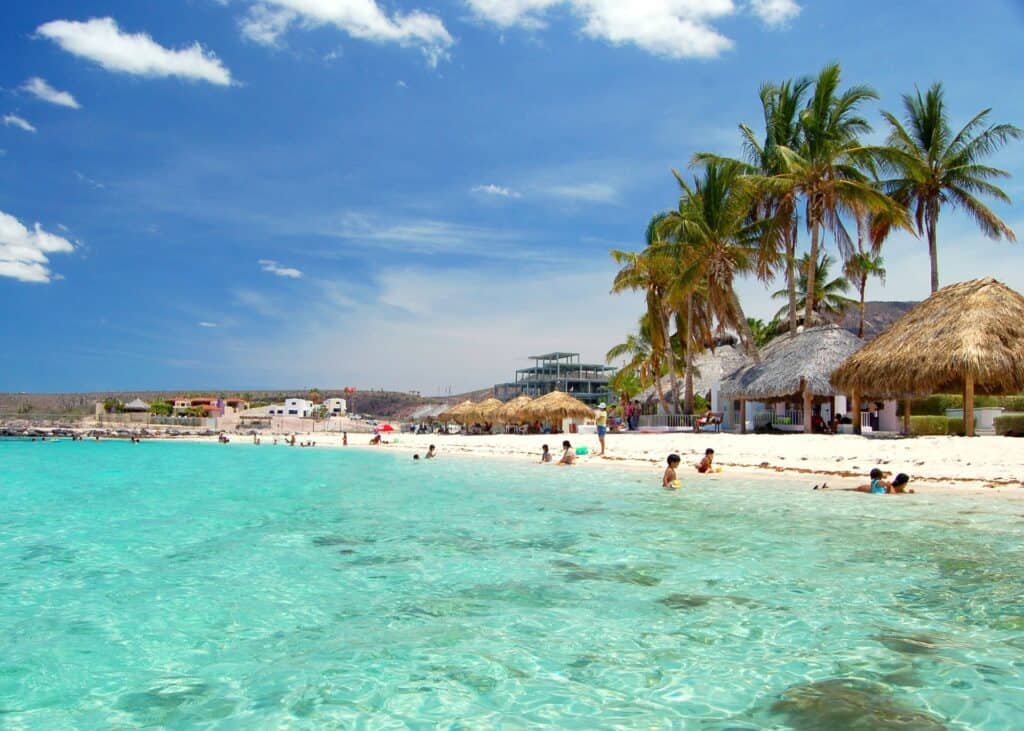
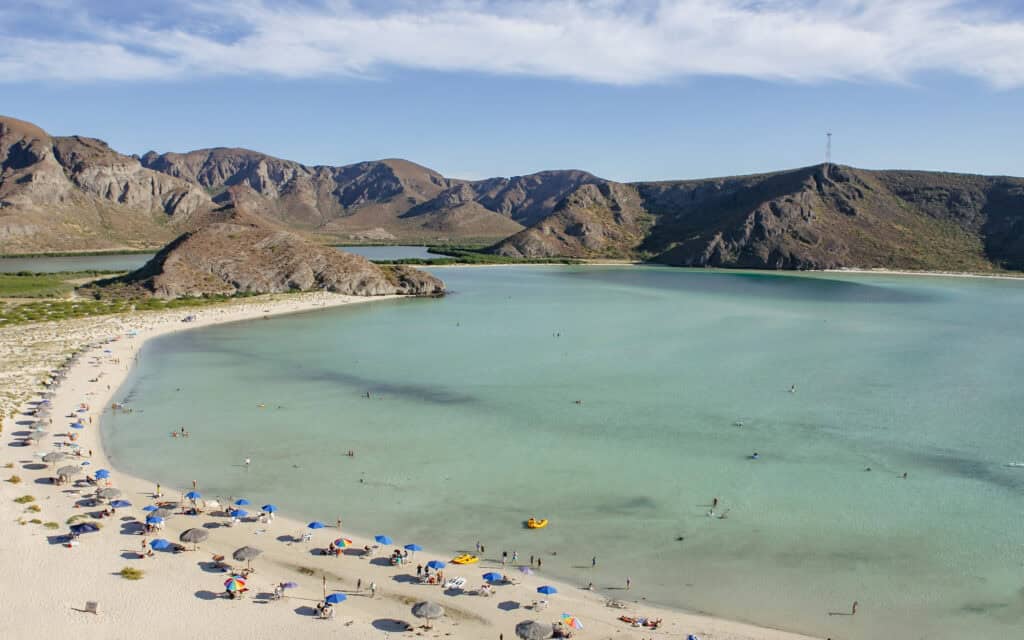
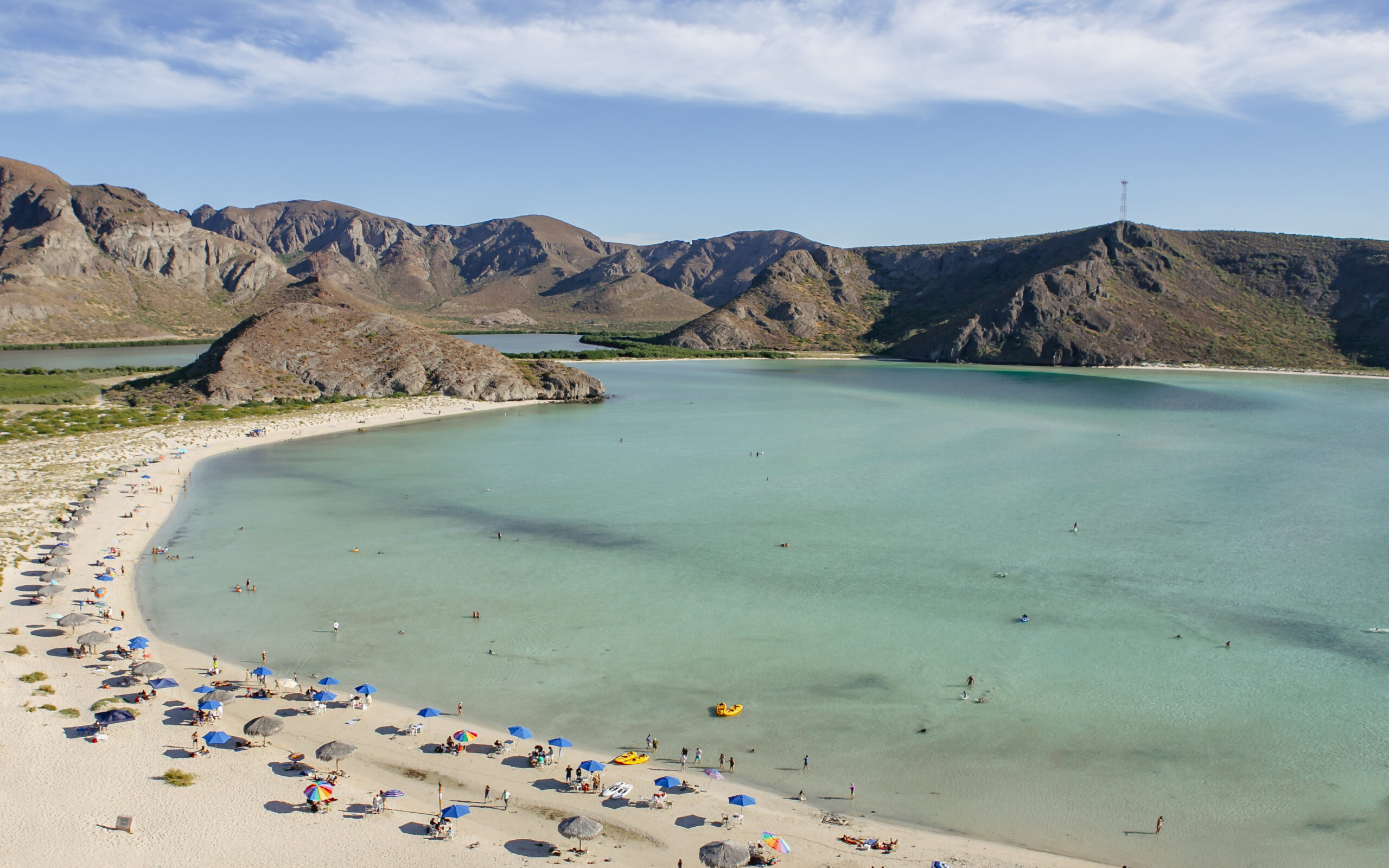
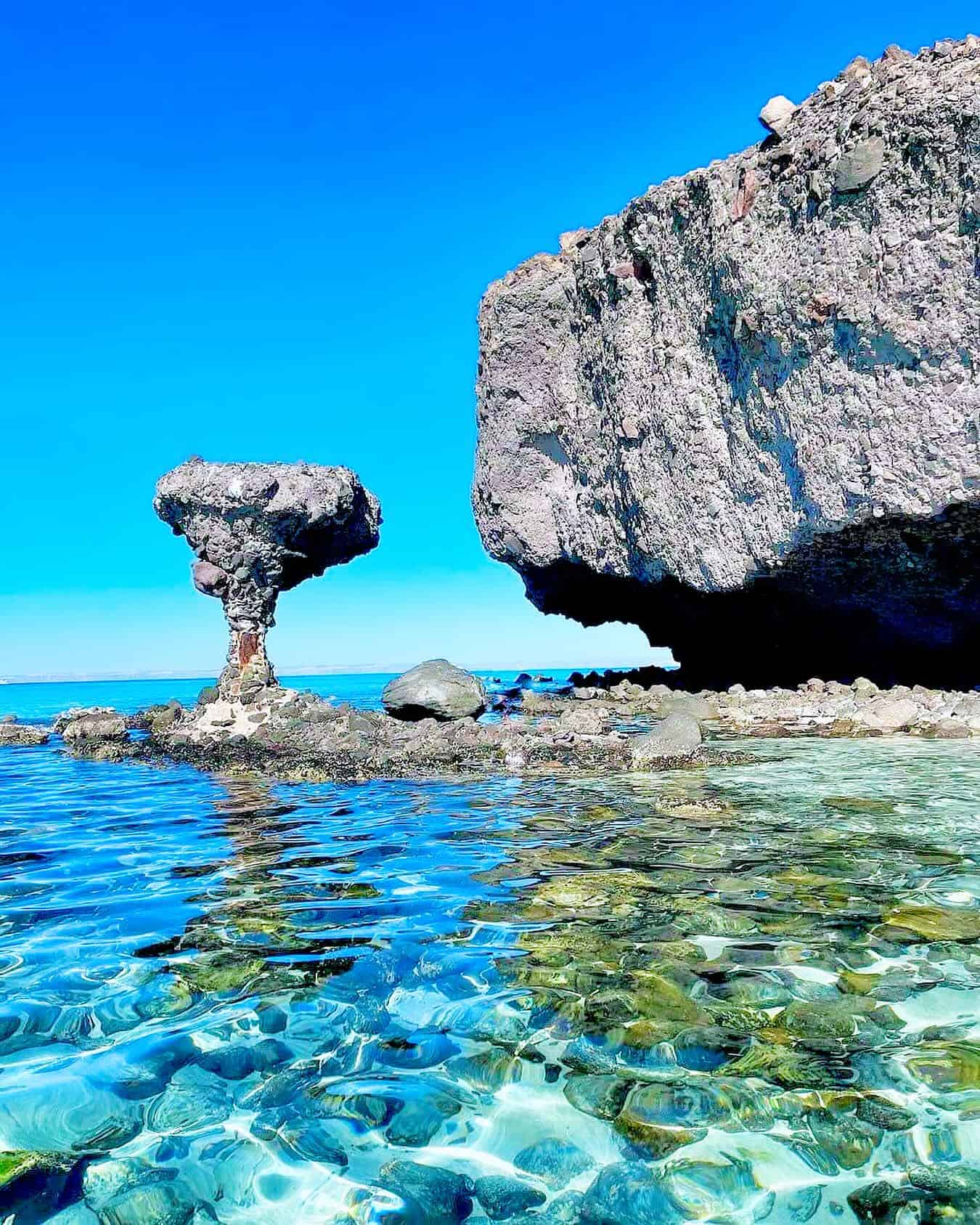
Umbrellas on the white sand and turquoise shallows of Balandra
Balandra · protected since 2012

The beach the whole peninsula knows.

Balandra is a shallow, protected bay of white sand and turquoise water that stays hip-deep for hundreds of metres, with El Hongo, the mushroom rock that is the symbol of La Paz, at the end of the walk. Entry is limited to two shifts of 450 people a day with a wristband; there are no vendors, so bring shade, water and food, and take everything out.

Explore Balandra

Balandra has been a protected area since 30 November 2012, mangroves and dunes included. Entry is 8:00 to 12:00 or 13:00 to 17:00, 450 people a shift, with a wristband of 120 to 125 pesos bought at the CONANP office in the city (M. Ocampo 1045, weekdays 8:00 to 15:00) or online; children under twelve, seniors, people with disabilities and locals go free. No pets, no vendors, no drones, no climbing El Hongo or the dunes, dry toilets only. Bring your own shade, water and food, and take everything back out.

Compare all 59 beaches

Across the water · by boat only

Espíritu Santo
and the whale sharks.

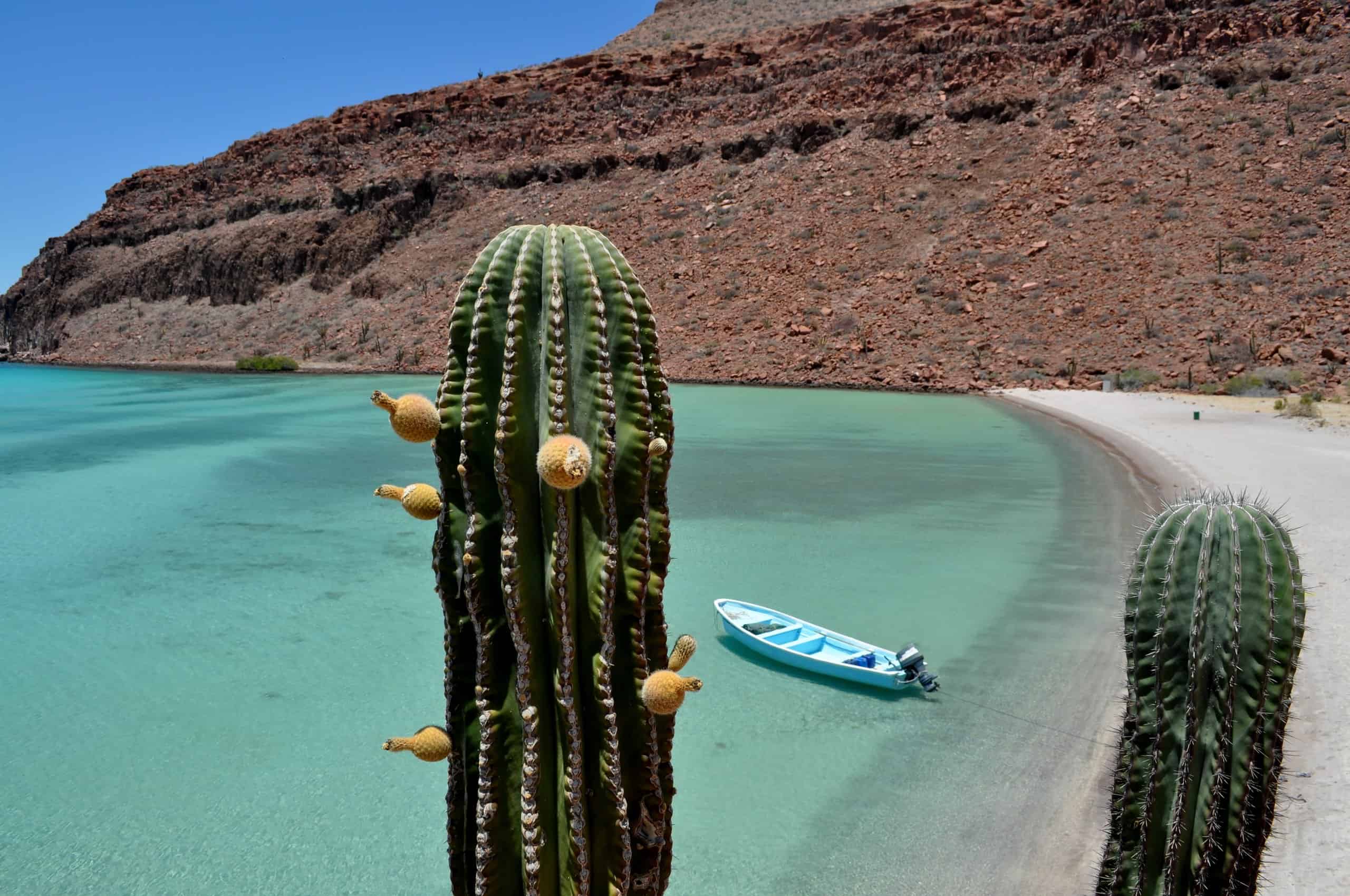
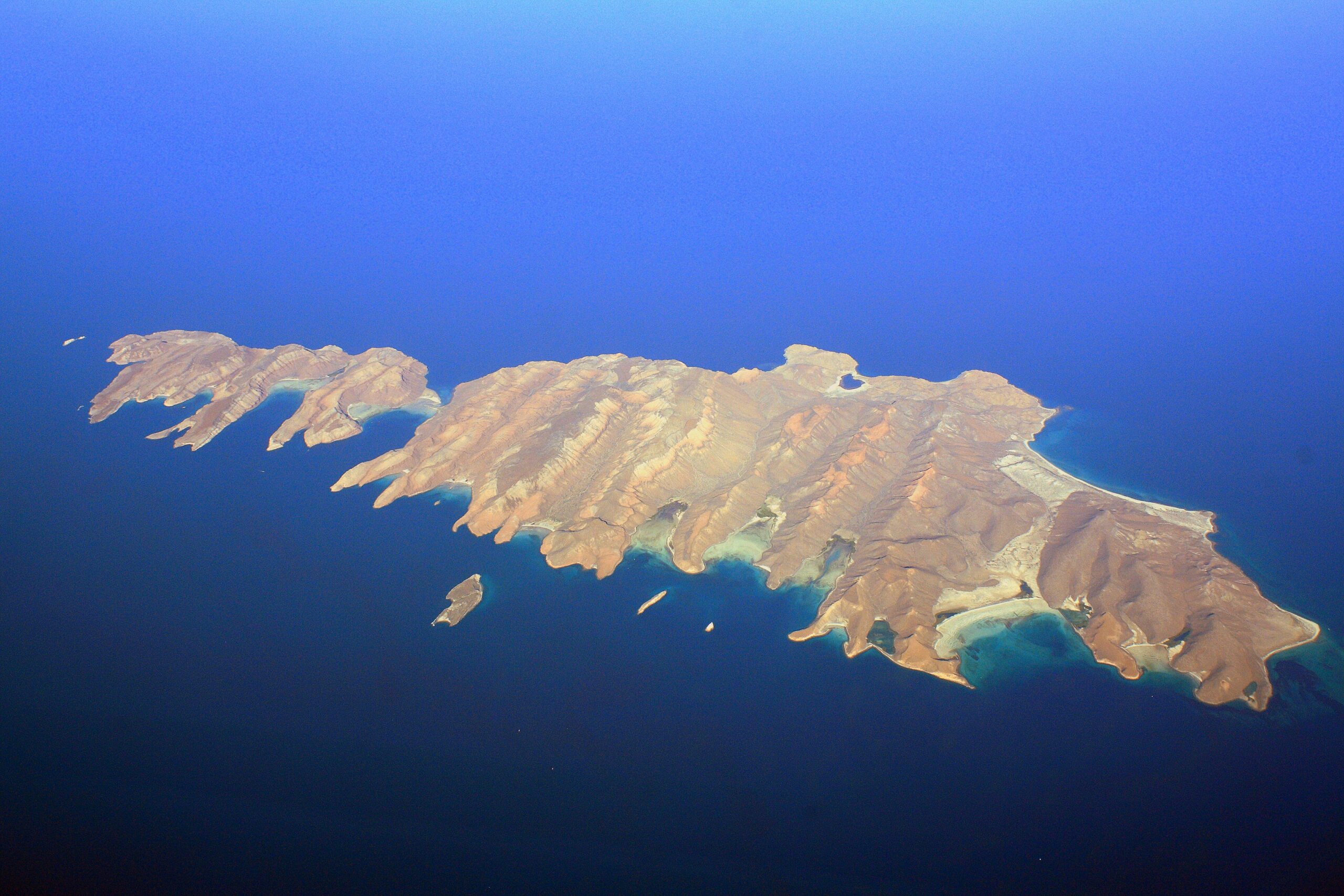
The island in front of the city has been a marine national park since 10 May 2007, part of the UNESCO World Heritage islands of the Gulf of California since 2005 and the first Mexican protected area on the IUCN Green List. Nineteen kilometres long and about five wide, it is reached only by boat, in under an hour from the malecón pier, the marinas or Playa El Tecolote, with park-authorised operators and a conservation wristband of 225 pesos per person per day. The whale sharks are a separate trip, with a season that runs from 1 October to 30 April.

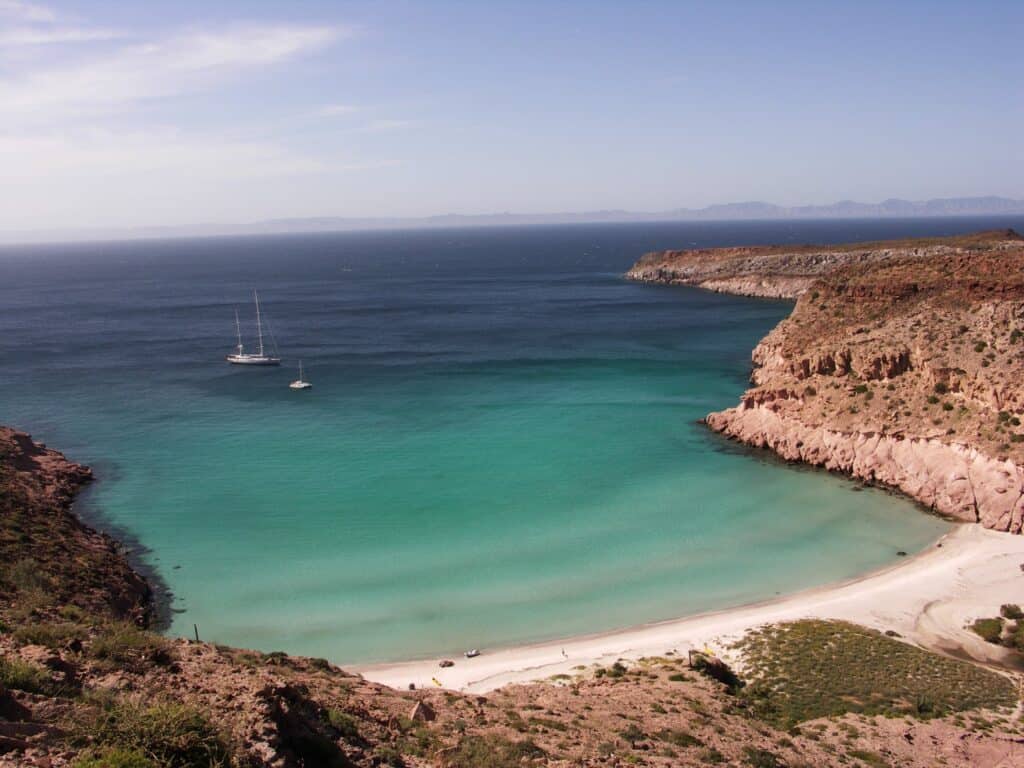
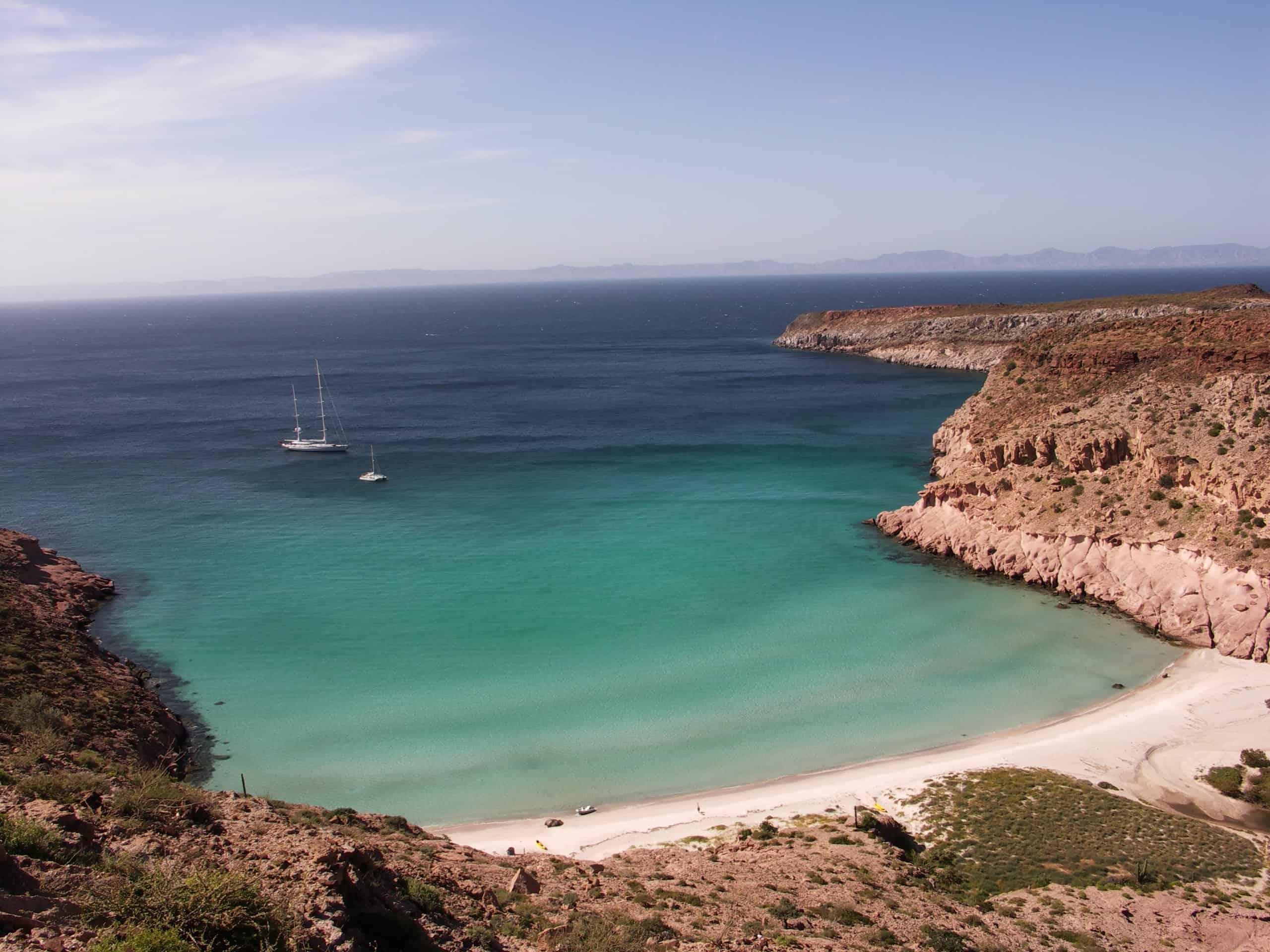
Ensenada Grande, Isla Partida, with sailboats at anchor
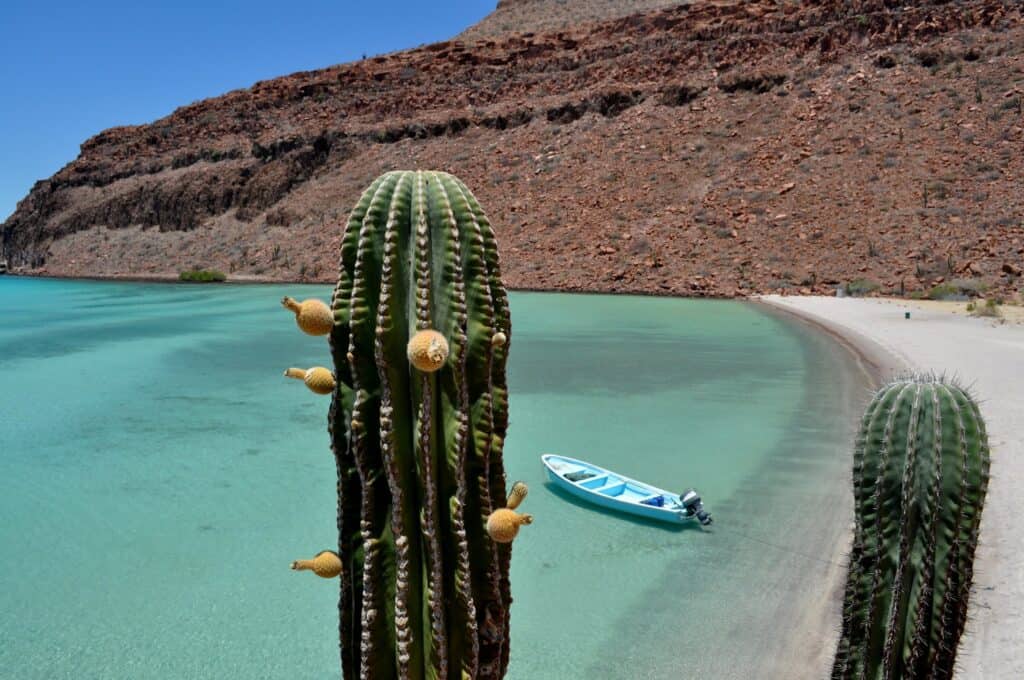
A cardón over a turquoise cove of Isla Espíritu Santo
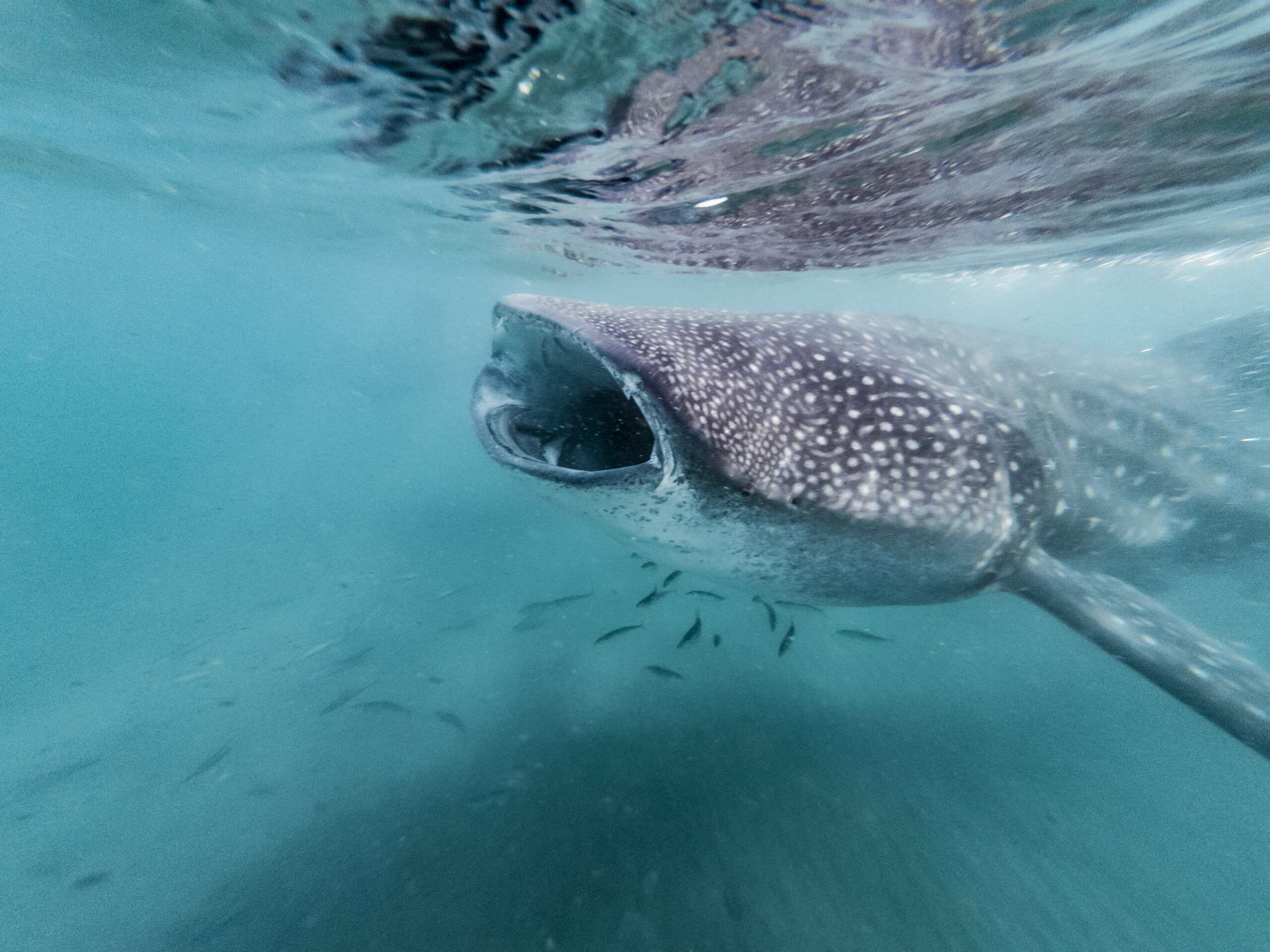
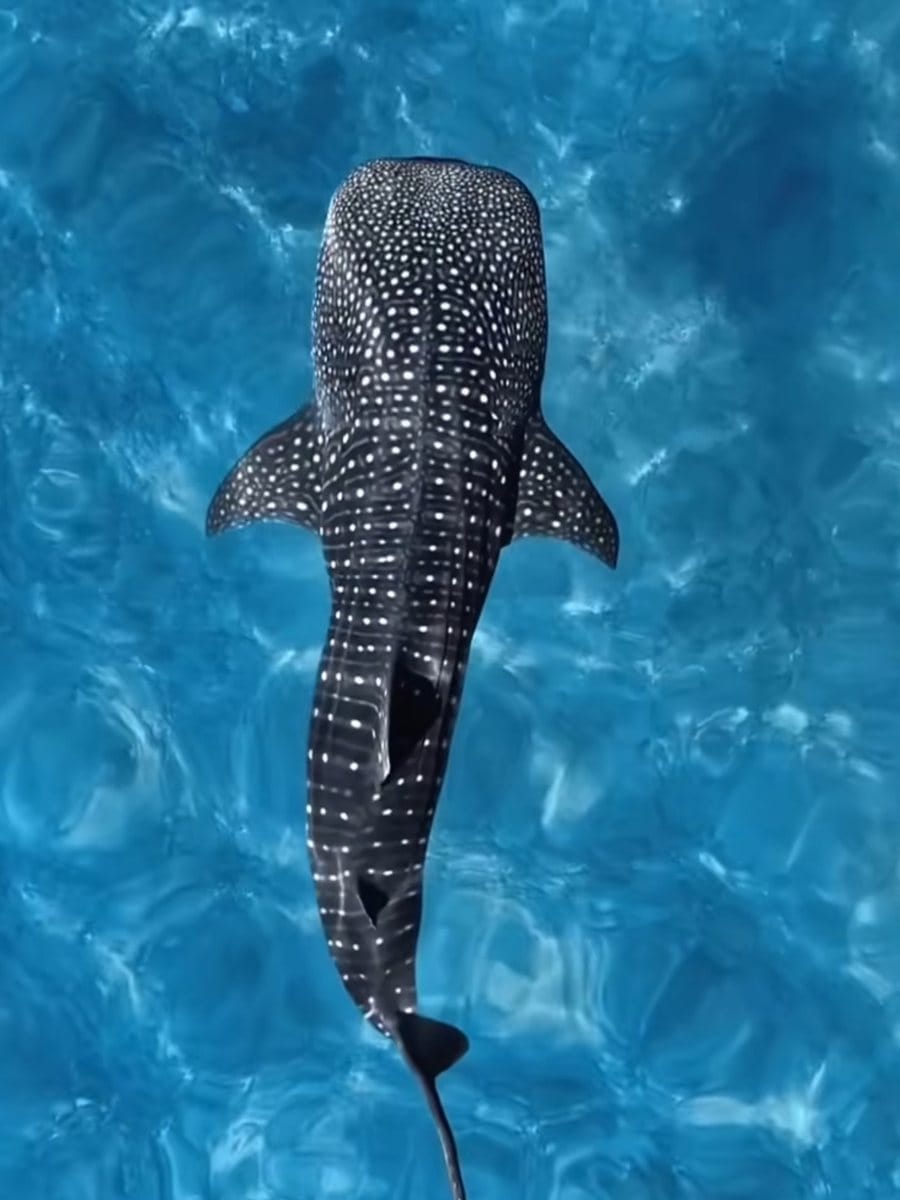
A whale shark feeding at the surface in Bahía de La Paz
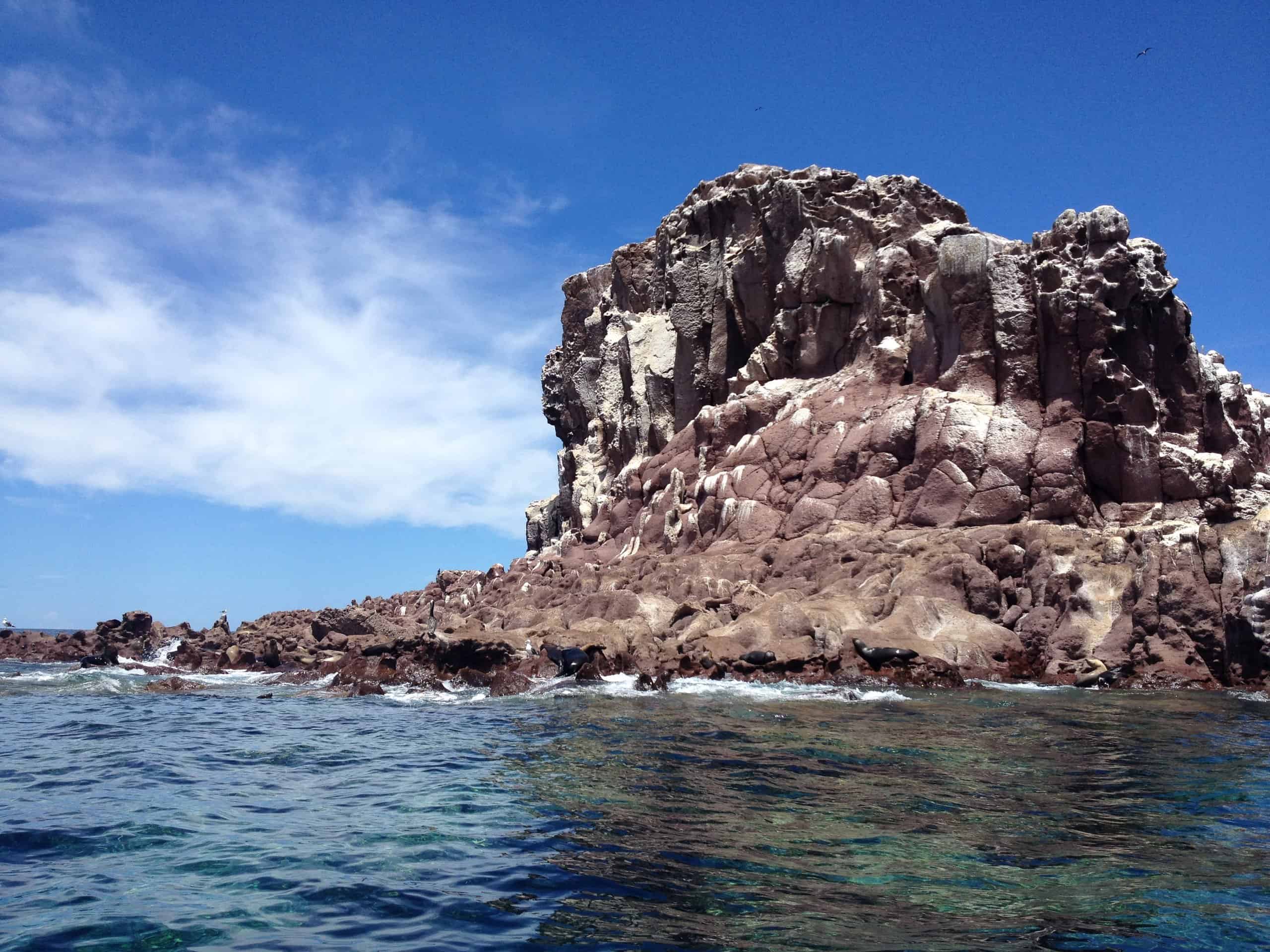
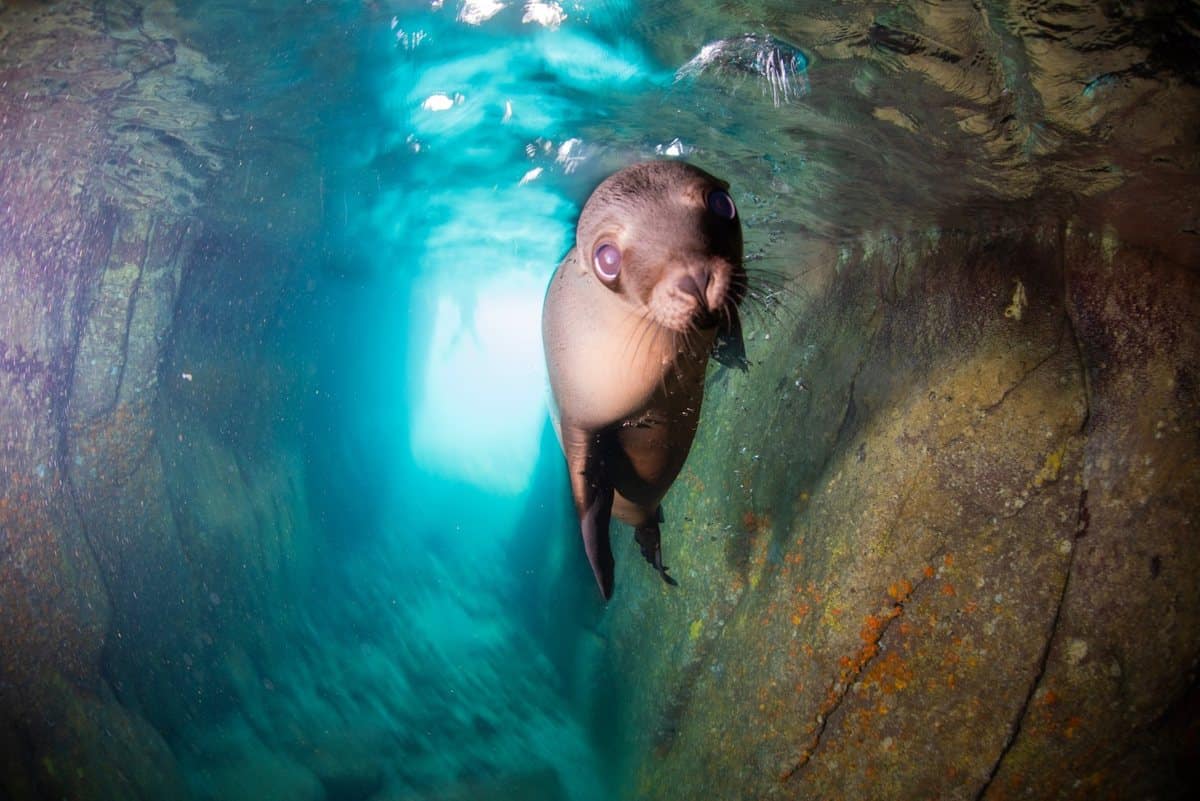
Los Islotes, the sea lion rookery at the tip of Isla Partida
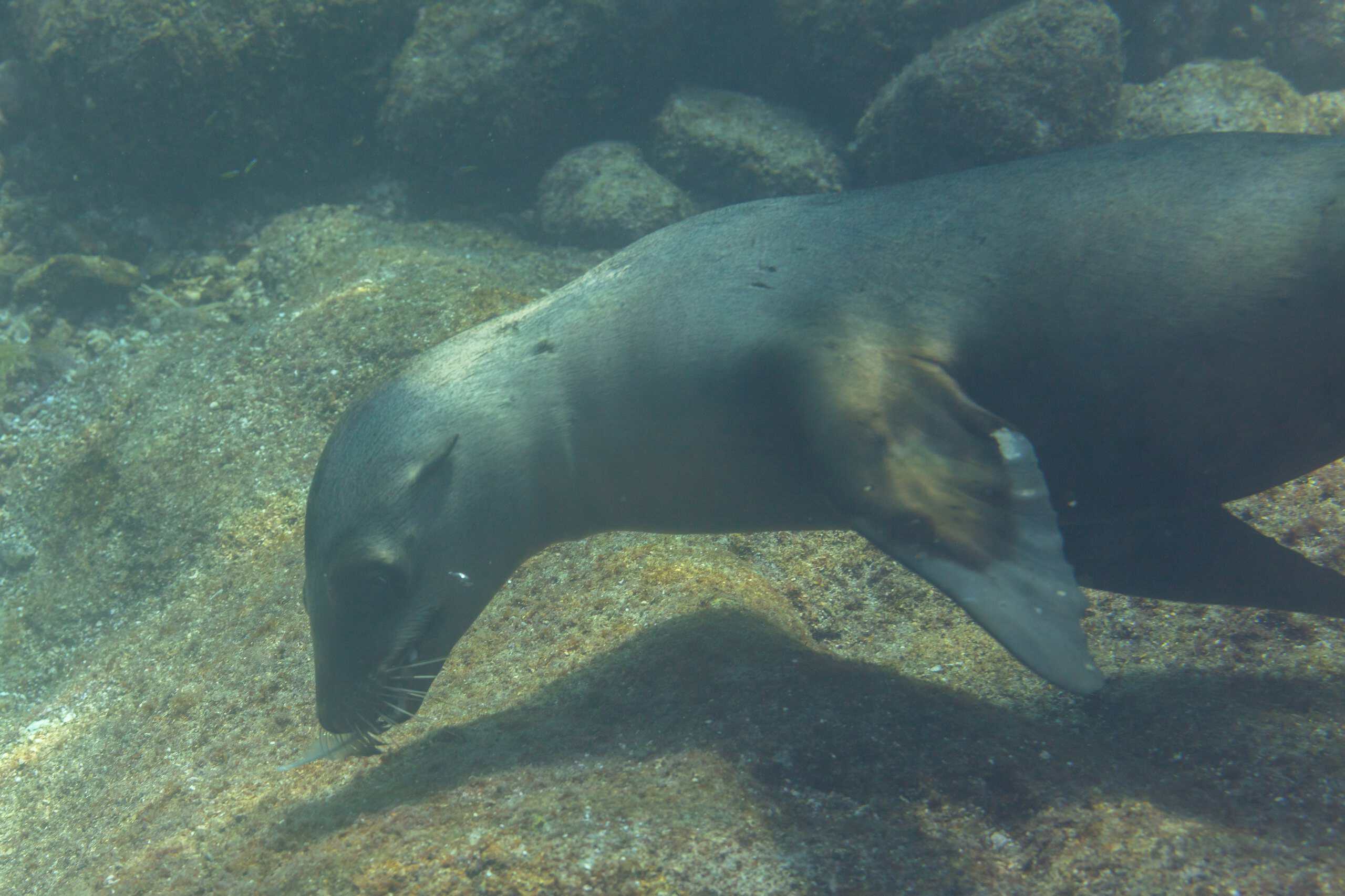
A California sea lion underwater in the Sea of Cortez
Espíritu Santo and Isla Partida from the air

The island.

Day tours take in Ensenada Grande, the most visited cove, Bahía San Gabriel with its frigatebird colony, El Candelero and the rock arch of Isla Partida, with lunch, kayaks and snorkelling on one of the beaches. Los Islotes holds the country's most important California sea lion colony, 400 to 600 animals; the swim with them is open from 1 September to 31 May and closed every year from 1 June to 31 August for the breeding season, when boats keep thirty metres off the rocks. Life jackets are mandatory, snorkel groups go ten to a guide for about thirty minutes, divers six to a guide, nobody lands on the islets, and you keep 2.5 metres from the coral and your hands off every animal. Camping is allowed only in authorised sites with a permit; a glamping camp runs from November to April, and the best season for the park is October to December.

The whale sharks.

Bahía de La Paz is one of Mexico's critical aggregations of whale shark pups and juveniles, protected since 2018 as a 22,749-hectare refuge that runs from San Juan de la Costa to the mouth of the lagoon, between El Mogote and the malecón. The species has been listed as Endangered since 2016, and between 50 and 60 percent of the sharks in the bay are still injured each year, mostly by boats, which is why the rules are strict. The 2026-27 season opens on 1 October with 112 authorised boats, at most 56 on the water a day in four shifts and 14 at a time, 8:00 to 17:00, and only once the rangers count six sharks or more; one boat per shark for thirty minutes at most, five swimmers and a guide in the water in life vests, two metres from the head and three from the tail, no touching, no sunscreen, no flash, no drones. Board only a boat flying the SEMARNAT pennant, one per authorisation; the municipality quoted about 1,600 pesos per person for the 2025-26 season, which closed with 950 sightings and 56 identified sharks, 20 of them new juveniles.

Every beach on this page
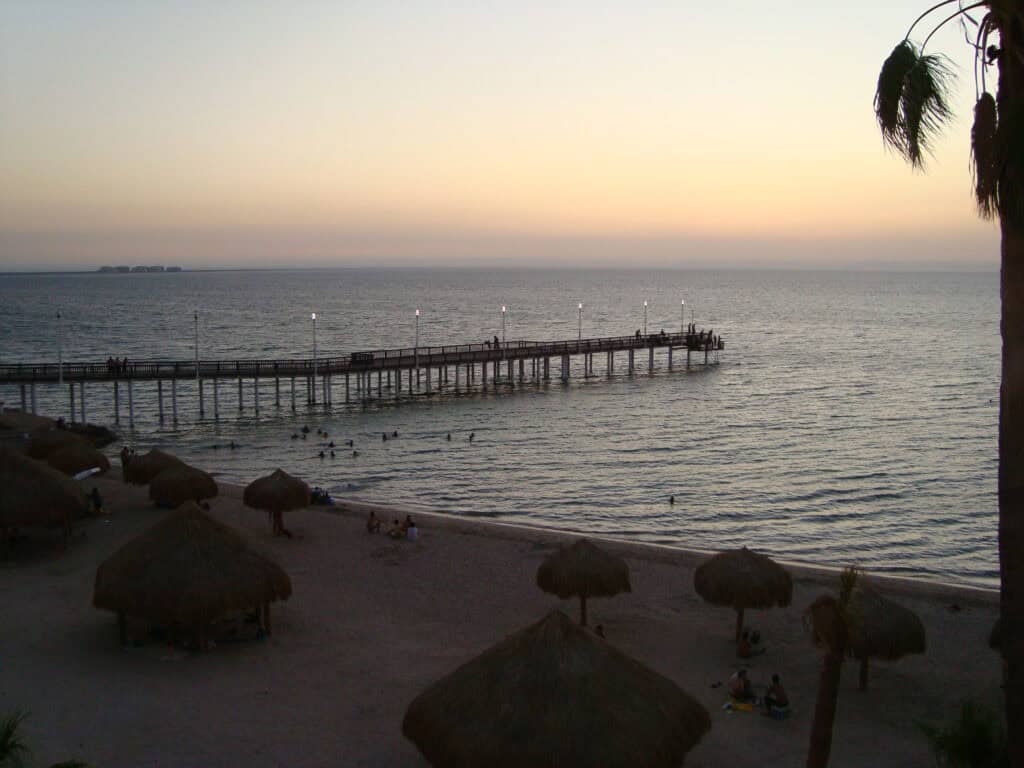
Sunset on the malecón of La Paz, with palapas and the whale-tail sculpture in silhouette
Sunset on the malecón of La Paz, with palapas and the whale-tail sculpture in silhouette · Photo: Adam Jones, CC BY-SA 2.0

Getting there

The road up
from Los Cabos.

La Paz has its own airport, LAP, 11 km southwest of the city, with mostly domestic flights. From Los Cabos the way in is the four-lane highway up the Pacific side through Todos Santos, which sits 80 km south of the city, or Highway 1, the road that also comes all the way down from Tijuana.

Baja Ferries sails from Pichilingue to Mazatlán in about fourteen hours and to Topolobampo in about nine. The four transfer companies below list La Paz among the places they serve, airport included.

Explore TransCabo

No car? The Playa Bus from the malecón terminal reaches Pichilingue, Balandra and El Tecolote: 70 pesos in July 2025, first departures at 8:00, last return at about 18:00.

Downtown · two tables and a clam

NEMI, NIM
and the chocolate clam.

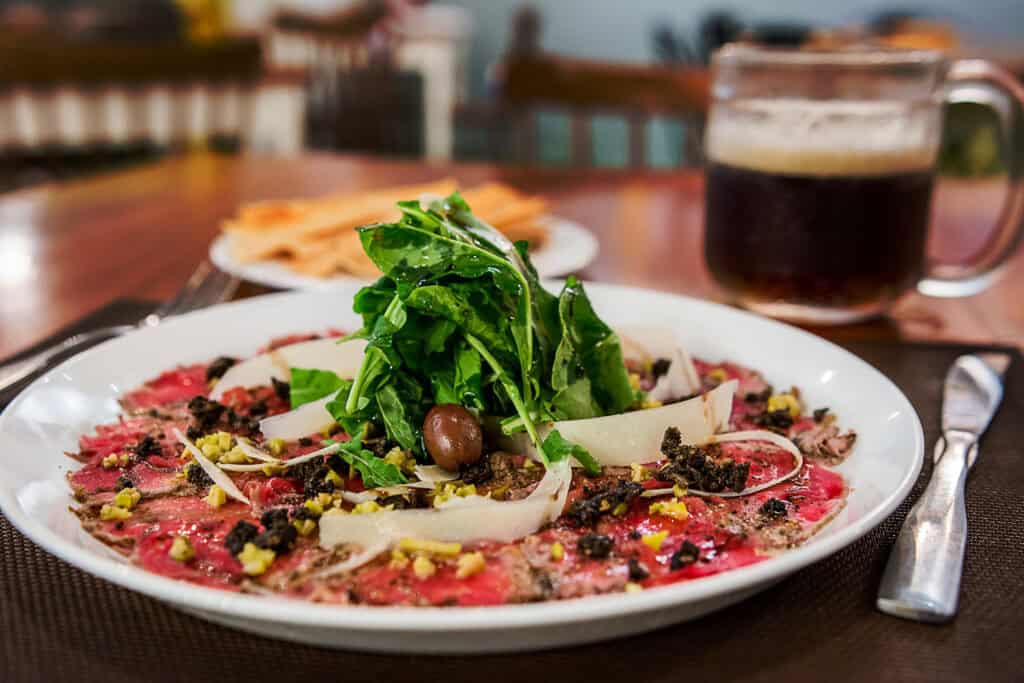
The 2026 MICHELIN Guide gave NEMI, downtown on Madero, the city's first and only entry in the guide: a contemporary Mexican tasting menu built almost entirely on Baja California ingredients, with Mexican wine pairings. A few streets away, NIM cooks an eclectic international menu in the garden of a century-old mansion. The rest of the city eats seafood: the malecón restaurants, Baja-style battered fish tacos, and the chocolate clam, named for its brown shell, one of the largest clams on the West Coast, harvested all year in the lagoons of Magdalena Bay and the Sea of Cortez.

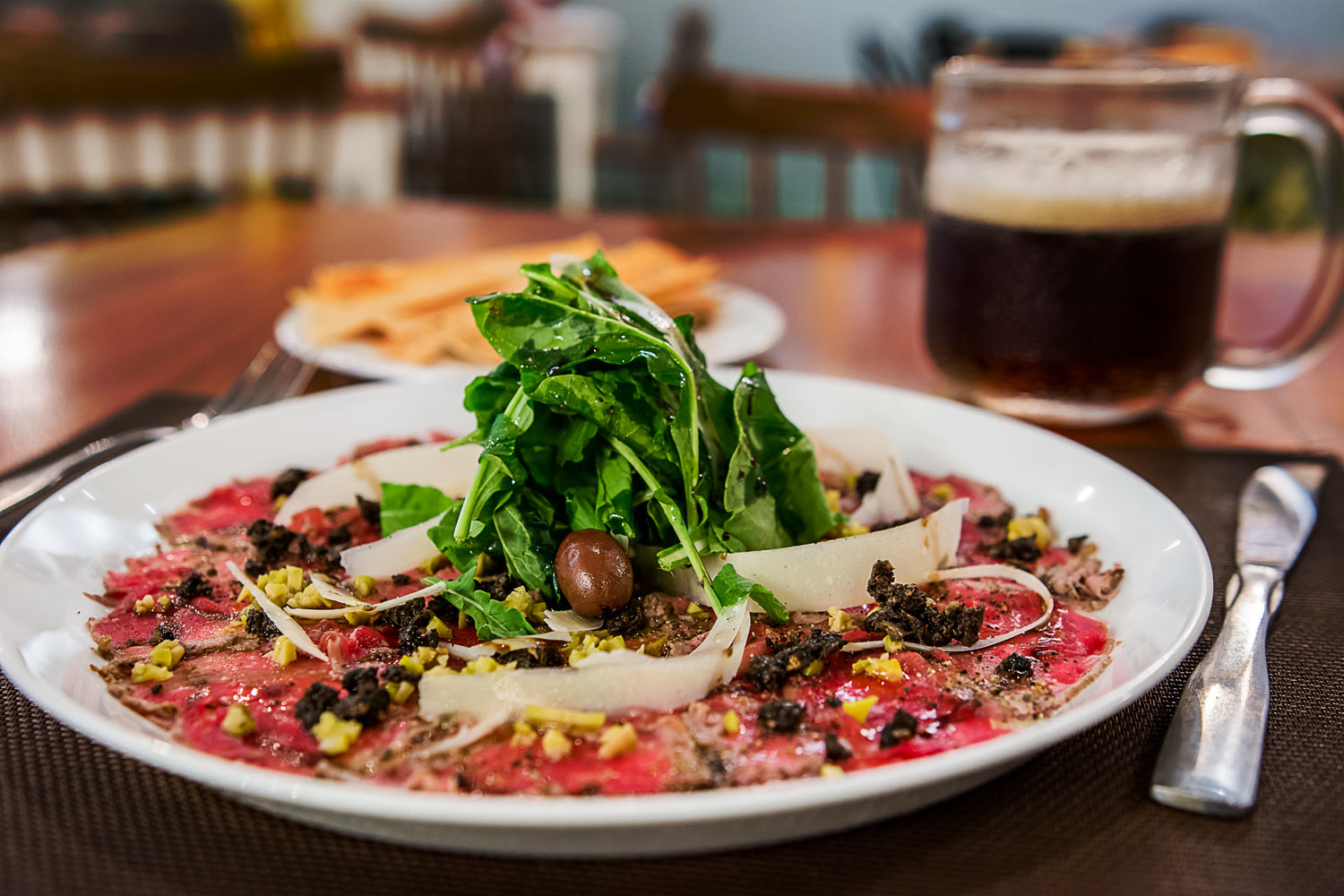
Beef carpaccio at NIM
Scallop carpaccio on a shared table at NIM
Wine and beer over shared plates at NIM
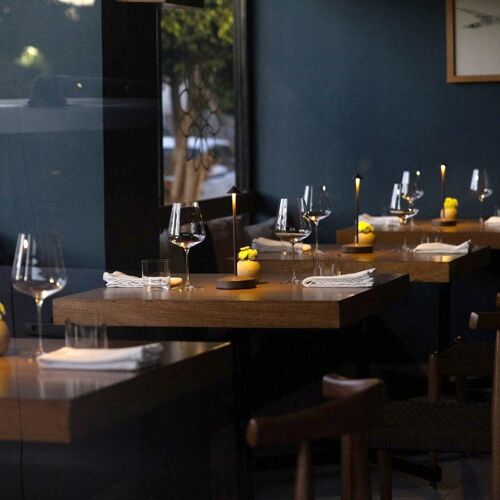
A table set at NEMI, downtown La Paz
Summer rolls at NIM, the eclectic side of the menu
An intimate table at NEMI
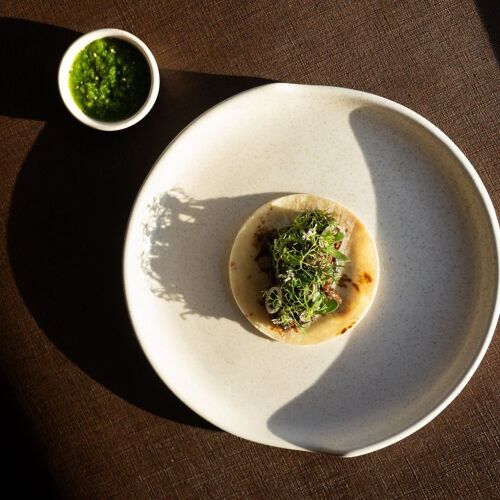
A taco course from the tasting menu at NEMI
Shared plates and a toast at NIM
Dessert at NEMI
Dessert at NEMI
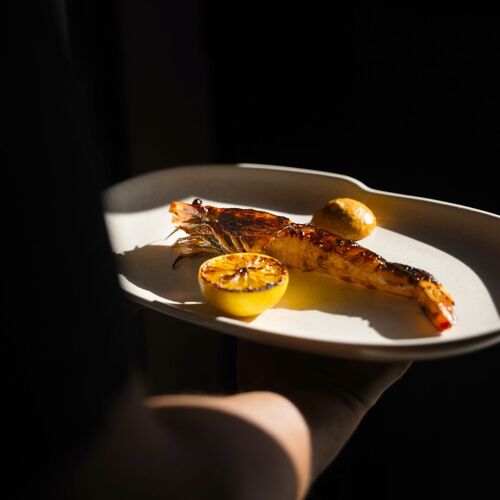
Grilled prawn with charred citrus at NEMI
A plate from the grill at NIM
The dining room at NEMI, candles lit

Where the clams are.

The two seafood restaurants on the sand at Pichilingue serve them plain or stuffed, and Bismarkcito on the malecón is the downtown address for the same plate. The tatemada, roasted under brush on hot gravel, is Loreto's dish rather than La Paz's, though you will find it here too.

Street food is the jate, the local hot dog, and tostielotes; the malecón sells fresh seafood, coconuts and ice cream, with Nevería La Fuente the classic stop.

Both tables, with their own pages

Make it your day

One bay.
Your own pace.

Buy the Balandra wristband the day before, take the morning shift, eat on the sand at Pichilingue and be back on the malecón for the sunset.

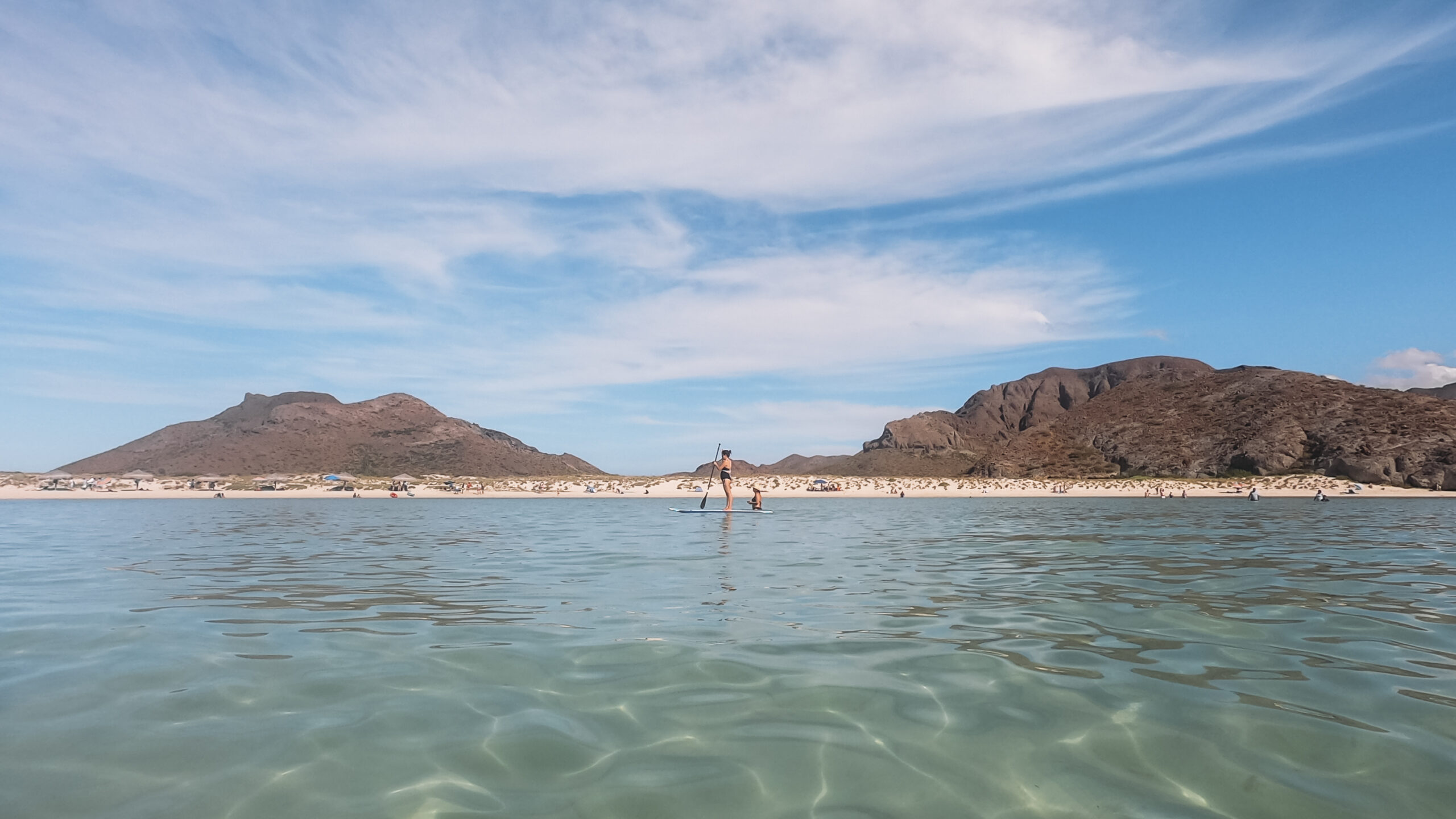
Paddleboarding on the shallows of Balandra
Paddleboarding on the shallows of Balandra · Photo: Matthew T Rader, matthewtrader.com, CC BY-SA 4.0
01 · Morning at Balandra

Wade out to El Hongo.

The first shift runs 8:00 to 12:00. Walk the hip‑deep shallows to the mushroom rock, paddle if you brought a board, and leave the dunes and the shells alone. Nothing is sold inside, so bring water and something for shade.

Explore Balandra
A boat off Playa Pichilingue
A boat off Playa Pichilingue · Image: Pichilingue Beach
02 · Lunch on the sand

Chocolate clams at Pichilingue.

Back down the road to the two seafood restaurants on the beach by the port, where the chocolate clams come plain or stuffed, or on to El Tecolote for the palapas facing the island.

Explore Pichilingue
Grilled prawn with charred citrus at NEMI
Grilled prawn with charred citrus at NEMI · Image: NEMI
03 · Sunset and a tasting menu

The malecón, then NEMI.

Join the town at the kiosk for the sunset, walk the sculptures, and end downtown with the tasting menu at NEMI or the garden at NIM. Book both ahead.

Explore NEMI
Going out on the water instead?

Espíritu Santo is a full day: boats leave the malecón pier, the marinas or El Tecolote in the morning with park-authorised operators, stop at Los Islotes for the sea lions between September and May, and put you on a beach for lunch, kayaks and snorkelling before the run home; the 225-peso wristband is charged per person per day. The whale sharks are a morning in the bay off El Mogote between 1 October and 30 April, in shifts of at most fourteen boats, and only on boats flying the SEMARNAT flag.

The places behind the day

Find your place
in La Paz.

Every listed beach, table and ride on this page, with its own profile. Search by name or area to bring your day together.

14 places to explore

Balandra Beach
Beaches · Protected area · 27 km

Balandra Beach

Hip-deep turquoise water, white sand and El Hongo; two shifts a day, wristband required.

Tecolote Beach
Beaches · End of the road · free

Tecolote Beach

Wide and free, facing Espíritu Santo; seafood restaurants and boats to the island.

El Coromuel Beach
Beaches · The city beach · 2.5 km

El Coromuel Beach

Palapas, bathrooms and a pier walkway minutes from the malecón.

Pichilingue Beach
Beaches · By the port · 18 km

Pichilingue Beach

Two seafood restaurants on the sand, famous for chocolate clams.

El Tesoro Beach
Beaches · 13.6 km · small children

El Tesoro Beach

A small cove with little wave action, restaurants and palapas.

El Caimancito Beach
Beaches · The natural pool · 7 km

El Caimancito Beach

Calm, shallow water over white sand, watched hours.

El Saltito Beach
Beaches · 32 km · no services

El Saltito Beach

A quiet curve of sand with calm sea and a reef for snorkelling.

Ensenada Grande
Beaches · Isla Partida · by boat

Ensenada Grande

The most visited cove of the islands, inside the national park.

NEMI
Dining · Downtown · MICHELIN Guide

NEMI

Contemporary Mexican tasting menu; the city’s only MICHELIN entry, recommended in 2026.

NIM
Dining · Downtown · garden

NIM

Eclectic international cooking in the garden of a century-old mansion.

TransCabo
Getting there · Transfers · airport to La Paz

TransCabo

Airport transfers, private and shuttle.

Cabo Transfers
Getting there · Transfers · shared and private

Cabo Transfers

Shared shuttle and private vehicles across the region.

All Ways Cabo
Getting there · Private · chauffeur

All Ways Cabo

Private shuttle, chauffeur and group transport.

Hotels and island tours in La Paz are not in the directory yet. Looking further afield? Explore the full directory.

A little planning goes a long way

Before
you go.

La Paz rewards the prepared. A few details make the difference.

Plan the ride
01 Wristbands, shifts and flags.

Balandra takes 450 people a shift, 8:00 to 12:00 and 13:00 to 17:00, on a wristband of 120 to 125 pesos from the CONANP office in the city or online. Espíritu Santo charges 225 pesos per person per day through your operator; ask for the bracelet. Whale shark boats carry a SEMARNAT pennant, one per authorisation; a boat without one is not authorised. Carry pesos and small bills.

02 Heat, wind and storms.

Average highs reach 37 to 38 °C in July and August and fall to 25 °C in January, with a record of 44 °C; the sea runs from about 20 °C in February to 30 °C in August. Most of the year's 185 mm of rain falls in August and September, inside a hurricane season that runs from 15 May to 30 November. The north-west wind is strongest and most frequent from December to February; the evening breeze locals call the Coromuel takes the edge off the summer heat.

03 The sea has rules, and rangers.

Life jackets on for snorkelling and kayaking in the park, groups of ten to a guide, no landing on the islets, 2.5 metres from the coral, a rashguard instead of sunscreen with oxybenzone or octinoxate. With the whale sharks: five swimmers and a guide, two metres from the head and three from the tail, no touching, no sunscreen at all. PROFEPA patrols both, and a boat working without a SEMARNAT permit is seized.

04 Water quality, closures, dogs.

After heavy summer rain the state health agency asks people to stay out of the urban beaches from El Conchalito to El Caimancito for four days; El Tecolote and El Tesoro had a no-swim warning in June 2024. Pets are banned at Balandra and El Caimancito and must be leashed elsewhere; biodegradable sunscreen is the rule on the beaches and the island, and shells, stones and sand stay where they are.

From the bay, as people see it

YOUR LA PAZ.
Your moments.

10 photographs shared from the bay, the islands and the city on Instagram.
Tap any one to see the full frame and the account behind it.

Find your moment. Tag @whatsincabo and we may share it here.

Photographs belong to the accounts credited; each opens on Instagram.

Good to know

A few questions,
before you go.

How do you get to La Paz from Los Cabos?

Fly into La Paz airport (LAP), 11 km south-west of the city, or fly to Los Cabos (SJD) and drive north on the four-lane highway along the Pacific through Todos Santos, which sits 80 km south of La Paz; Highway 1 also comes down from the north. The transfer companies on this page cover the run, and once you are in town the Playa Bus leaves the malecón terminal every twenty minutes for Pichilingue, with a route on to Balandra and El Tecolote.

When is whale shark season in La Paz?

From 1 October to 30 April; the 2026-27 season runs from 1 October 2026 to 30 April 2027. Trips leave from the city into the refuge area off El Mogote, between 8:00 and 17:00, with five swimmers and a guide in the water at a time, a life vest or wetsuit on, two metres from the head and three from the tail, no touching and no sunscreen. Only boats flying the SEMARNAT pennant are authorised; the municipality quoted about 1,600 pesos per person for the 2025-26 season.

How do I get into Balandra?

Balandra is a protected area 27 km from La Paz on the Pichilingue road, about 30 minutes. Entry is in two shifts of 450 people, 8:00 to 12:00 and 13:00 to 17:00, with a wristband of 120 to 125 pesos (locals, children under twelve, seniors and people with disabilities are exempt) sold at the CONANP office in La Paz, M. Ocampo 1045, weekdays 8:00 to 15:00, or online. No pets, no vendors, no climbing the dunes or El Hongo; bring your own shade, water and food and take everything out.

Do I need a guide to visit Isla Espíritu Santo?

Yes. The island is reached only by boat with park-authorised operators, and the 225-peso conservation wristband is charged per person per day; ask for your bracelet. Life jackets are mandatory, snorkel groups are ten people with a guide for about thirty minutes, landing on the islets is prohibited, and the sea lion swim at Los Islotes closes every year from 1 June to 31 August. Camping happens only in authorised sites with a permit.

Which La Paz beaches are best for swimming?

The bay has the calmest water in the south. Balandra stays hip-deep for hundreds of metres; El Caimancito, 2.5 km from town, is so calm the municipality compares it to a natural pool; El Tesoro is shallow and made for small children; El Coromuel is the city beach with palapas and bathrooms, awarded a Blue Flag in 2016; El Tecolote is free, with seafood restaurants and the island on the horizon. After heavy summer rain the state health agency asks people to stay out of the urban beaches for four days, and El Tecolote and El Tesoro had a no-swim warning in June 2024, so look for notices.

Where do you eat in La Paz?

NEMI, downtown on Madero, is the city's only MICHELIN Guide entry, recommended in the 2026 selection, with a contemporary Mexican tasting menu; NIM cooks an eclectic international menu in the garden of a century-old mansion. The local dish is the chocolate clam: the two seafood restaurants on the sand at Pichilingue and Bismarkcito on the malecón are the places to try it. Baja-style battered fish tacos are the everyday favourite, and the street food is the local hot dog, the jate, and tostielotes.

When is the best time to visit La Paz?

October to December is the best season for the islands according to the park, and it overlaps with the whale sharks, which run from 1 October to 30 April; the sea lion swim is open from 1 September to 31 May and Carnaval fills the malecón in February or March. Summer is hot, with average highs of 37 to 38 °C in July and August, most of the year's rain in August and September, and a hurricane season that runs from 15 May to 30 November. The north-west wind is strongest from December to February.

Sources & photography

Destination facts on this page come from: La Paz municipal tourism office — malecón, kiosk, cathedral, Carnaval, museums, beaches, Playa Bus; Go La Paz (Fideicomiso de Turismo) — getting there, beaches, Espíritu Santo, whale sharks, food; La Paz municipal news — the landing of Cortés, 3 May 1535, and the Fiestas de Fundación; INEGI — Censo 2020, Baja California Sur (292,241 inhabitants in the municipality of La Paz); SEMARNAT — Aviso de temporada 2026-2027 de tiburón ballena, Bahía de La Paz (17 September 2026); SEMARNAT — Plan de Manejo Tipo 2025-26, tiburón ballena Bahía de La Paz (rules, refuge, status, sea temperature); SEMARNAT — Plan de Manejo Tipo 2026-2029, tiburón ballena Bahía de La Paz (the pennant, swim and boat rules); La Paz municipal news — results of the 2025-26 whale shark season (7 May 2026); PROFEPA — vigilancia del nado con tiburón ballena (board only boats with the flag and permit); IUCN — whale sharks listed as Endangered (July 2016); CONANP — Parque Nacional Zona Marina del Archipiélago de Espíritu Santo (fee, access, sea lions, best season); DOF — decree of the Espíritu Santo marine national park, 10 May 2007; DOF — programa de manejo del parque (life jackets, divers per instructor, Los Islotes capacity), 2015; CONANP — suspensión temporal del nado con lobo marino, 1 June to 31 August (boats 30 m from the rocks); CONANP — guía de kayakismo y campamento, Espíritu Santo (the wind pattern of the bay); La Paz municipal tourism office — Isla Espíritu Santo (19 km long, permit, most visited sites); Costa Salvaje and CONANP — guía del visitante, Espíritu Santo (2022); Costa Salvaje and CONANP — guía del visitante, Balandra (2024); IUCN World Heritage Outlook — Islands and Protected Areas of the Gulf of California (2005); CONANP — Área de Protección de Flora y Fauna Balandra (shifts, capacity, fee, rules); La Paz municipal tourism office — Playa Balandra (27 km, wristband office, exemptions, rules); DOF — decree of the Balandra protected area, 30 November 2012; MICHELIN Guide — NEMI, La Paz; Peninsular Digital — MICHELIN 2026 in Baja California Sur (29 July 2026); Peninsular Digital — the 2025-26 whale shark season opens (municipal price and permits, 18 November 2025); SMN (CONAGUA) — normales climatológicas 1991–2020, estación 3074 La Paz; CONAGUA — temporada de ciclones en el Pacífico, 15 May to 30 November; CICESE — boletín climático de BCS (the Coromuel wind, 2025 heat); Aeropuertos GAP — La Paz airport, 11 km south-west of the city; Baja Ferries — crossing times to Mazatlán and Topolobampo; INAH — Museo Regional de Antropología e Historia de Baja California Sur; Secretaría de Cultura (SIC) — Museo de la Ballena y Ciencias del Mar; the cathedral; SECTUR — Todos Santos, Pueblo Mágico (80 km from La Paz); POSTA — the Playa Bus: fares and timetable (July 2025); POSTA — Isla Espíritu Santo from La Paz: under an hour by boat, the Isla Partida arch; BCS Noticias — COEPRIS closes the urban beaches for four days after heavy rain (September 2026); El Sudcaliforniano — water advisories at El Tecolote and El Tesoro (June 2024); Balandra quotas (April 2025); SCORE International — the 2023 Baja 1000, started in La Paz for the first time. Distances and hours are the La Paz tourism office's and Go La Paz's figures as published in 2025 and 2026, and the bus fare is the one POSTA reported in July 2025; fees, shifts, seasons and quotas change, so confirm the current rules with CONANP, SEMARNAT and the operator before you go.
Photographs of beaches, restaurants and transport companies come from each place's own profile on What's in Cabo (image credits: Balandra Beach, Tecolote Beach, El Coromuel Beach, Pichilingue Beach, El Tesoro Beach, El Caimancito Beach, El Saltito Beach, Ensenada Grande, NEMI, NIM, Transcabo, Cabo Transfers, All Ways Cabo, Browns Private Services). The following photographs are freely licensed works reproduced with attribution, cropped for the page and, where the licence is share-alike, available under the same terms: Nathan Dugal, The TRVL Blog (CC BY 2.0); Matthew T Rader, matthewtrader.com (CC BY-SA 4.0); Matthew T Rader, matthewtrader.com (CC BY-SA 4.0); ProtoplasmaKid (CC BY-SA 4.0); Maria de los Angeles Merecias Perez (Panoramio) (CC BY-SA 3.0); Shawn from Airdrie (CC BY-SA 2.0); Matthew T Rader (CC BY-SA 4.0); AlexisSalinas01 (CC BY-SA 4.0); Diego Delso, delso.photo (CC BY-SA 4.0); Traveljournalist (public domain); Constanza S. Mora (CC BY 2.0); ProtoplasmaKid (CC BY-SA 4.0); Adam Jones (CC BY-SA 2.0). The social wall shows Instagram posts from the accounts credited on each tile; each opens the original post.