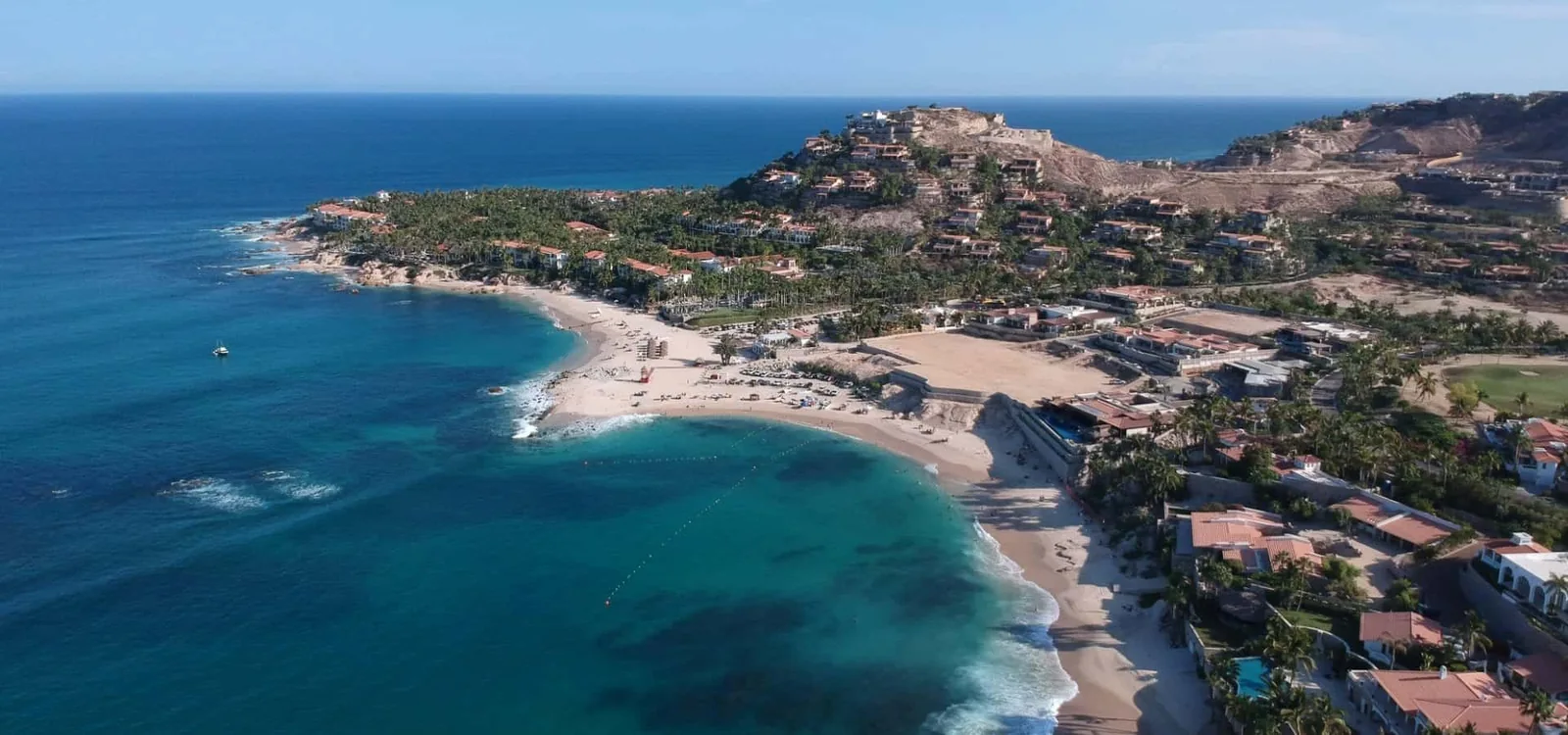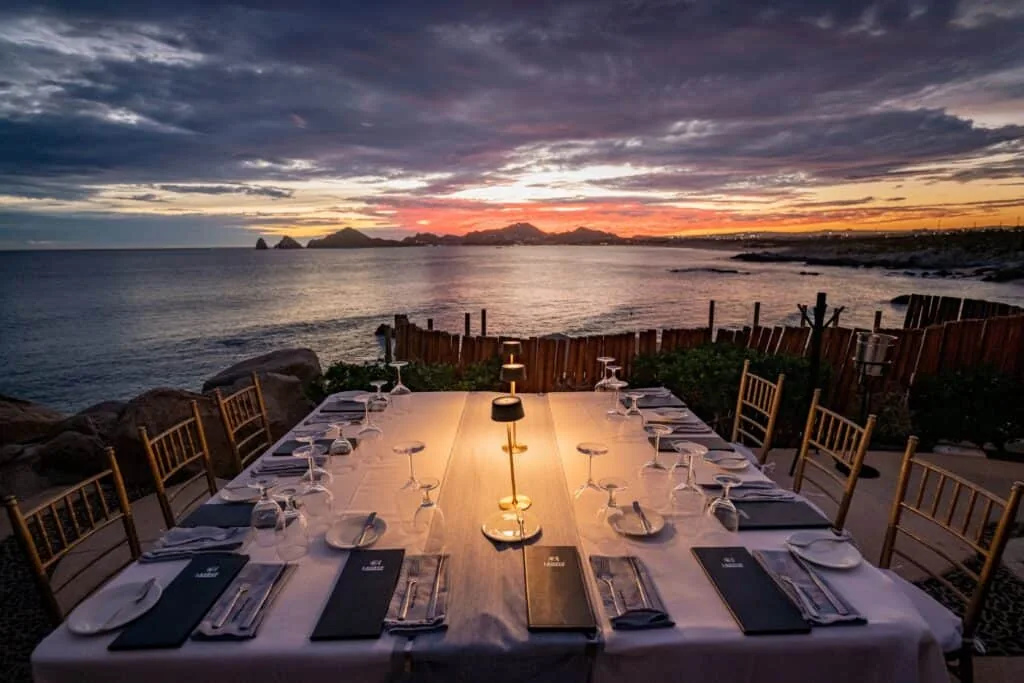


Where the desert embraces the sea.
The Baja California Peninsula is a land where the desert embraces the sea, and every route holds a fascinating nuance waiting to be discovered. In collaboration with Subaru Mexico, the production “Entre Caminos de la Baja” (“Along the Roads of Baja”) was created to explore these extraordinary landscapes and connect with initiatives that safeguard the region’s wildlife. On this four-wheeled journey, the roads lead not only to breathtaking scenery but also to the heart of marine conservation, highlighting inspiring projects dedicated to protecting sea turtles and preserving our natural environment.
Get involved, learn, participate and help.
Environmental education is the key to saving turtles and all of our marine wildlife, and ASUPMATOMA has very clear objectives regarding it:
- To preserve and protect beaches from any illegal activities.
- To raise awareness through workshops and turtle release events, helping the community understand the importance of preserving and caring for our marine wildlife.
- To say “no” to plastic.
- To promote recycling by teaching how to sort solid waste, encouraging its reuse and preventing marine pollution.
The story of ASUPMATOMA began in 1990 with René Pinal, who owned a beachfront property where, year after year, he would observe a large number of turtles coming ashore to lay their eggs. Together with both local and international individuals, he decided to organize an effort to protect sea turtles from predators and human interference. In 1995, ASUPMATOMA was officially established as a non-profit civil organization, and it has been working continuously ever since.

According to the camp’s staff, the association is primarily funded by its founder and president, René Pinal, as well as through contributions from those who wish to support the cause. Additional funding comes from on-site activities such as workshops, training sessions, camps and annual turtle release events, as well as, according to the staff, from a bicycle rental service in Cabo San Lucas.
Spending a day with the turtle team.
Spending a day with the turtle conservation team is an opportunity to gain knowledge and develop empathy for the world around us. Their daily work makes a significant contribution to our planet, a fact many people are not yet fully aware of. The daily struggle for conservation helps keep the food chain intact; if it were disrupted, humanity would face serious trouble. These organizations do truly commendable work, not only safeguarding marine wildlife habitats but also indirectly protecting the human race from the consequences of environmental collapse.
Volunteers are always welcome, as staffing shortages often hinder daily operations. Donations are also vital to the organization, as the costs associated with search-and-patrol efforts and the daily supplies required represent a significant expense for the professionals and volunteers carrying out this work.
When we arrive at the camp, staff greet us with warm smiles. A dedicated team including marine biologists, veterinarians, university interns and volunteers passionate about environmental stewardship kicks off a day rich in learning.

Which sea turtles reach Baja California Sur?
The experience begins with an informative talk about the sea turtle species, covering their unique characteristics and the factors that influence their behavior. Of the six known species, five are found in Baja California Sur; two feed in our local waters, while three come ashore on our beaches to nest.
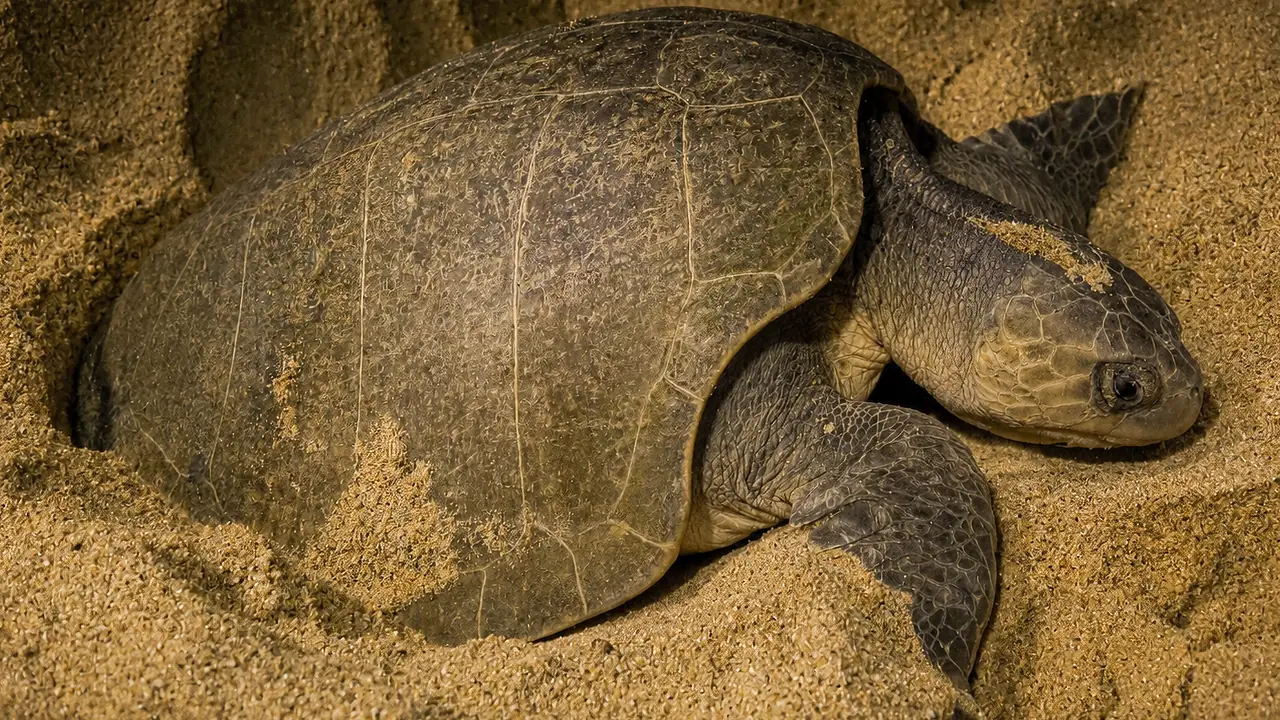
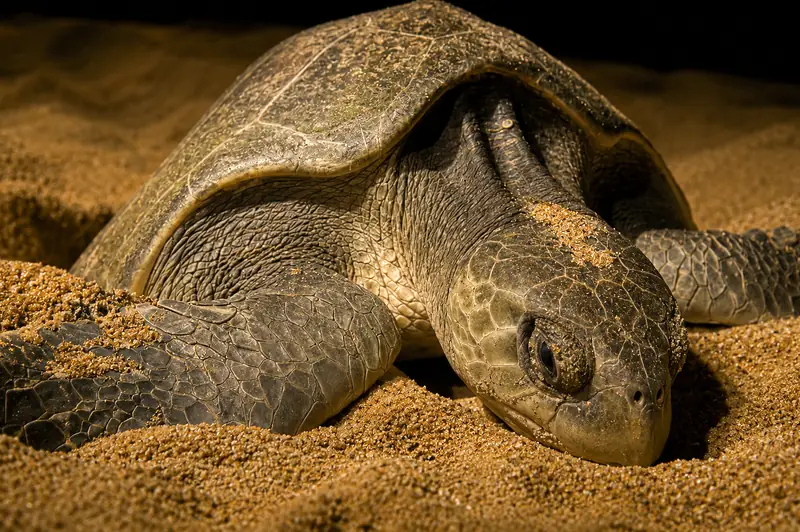
The olive ridley sea turtle. Distinguished by a small hump, this is the species most frequently encountered on the beaches of Baja California Sur. It exhibits a remarkable natural behavior: its plastron (the underside of its shell) contains pores that secrete hormones, which allow the turtles to synchronize with one another. This leads to a phenomenon known as an “arribada,” a mass nesting event where thousands of turtles come ashore to lay their eggs simultaneously. This extraordinary occurrence takes place on only a handful of beaches worldwide, in Mexico, Nicaragua, Costa Rica, Panama and India.
The loggerhead turtle. This species hatches on beaches in Japan and crosses the entire Pacific Ocean to feed off the Mexican coast; in 1996, a satellite-tracked loggerhead named Adelita swam the route in reverse, from Baja California to Japan, in 368 days. After years of growing in Mexican waters, they return to Japan to nest.
The hawksbill turtle. In Baja California Sur, this species comes only to feed; it does not nest here. It is critically endangered, largely because of the beauty of its shell, which is illegally harvested to make items such as jewelry, eyeglass frames and footwear.
The leatherback turtle. Unlike other species, its “shell” is a thick, leathery skin rather than a bony structure. This adaptation allows it to travel as far north or south as the continent extends. It is one of the largest sea turtle species, reaching weights of 400 to 600 kg.
The black turtle. This is the least common species. Although it is known to reach Baja California Sur, according to the camp’s staff, it has not been sighted on its beaches in the last three years. This is likely because the species prefers more tropical environments, whereas Baja California Sur has a desert climate.
Good to know: in Mexico, capturing or killing sea turtles or collecting their eggs is a federal crime punishable by one to nine years in prison, with up to three more years when it is done for commercial purposes.
Patrols on El Suspiro beach.
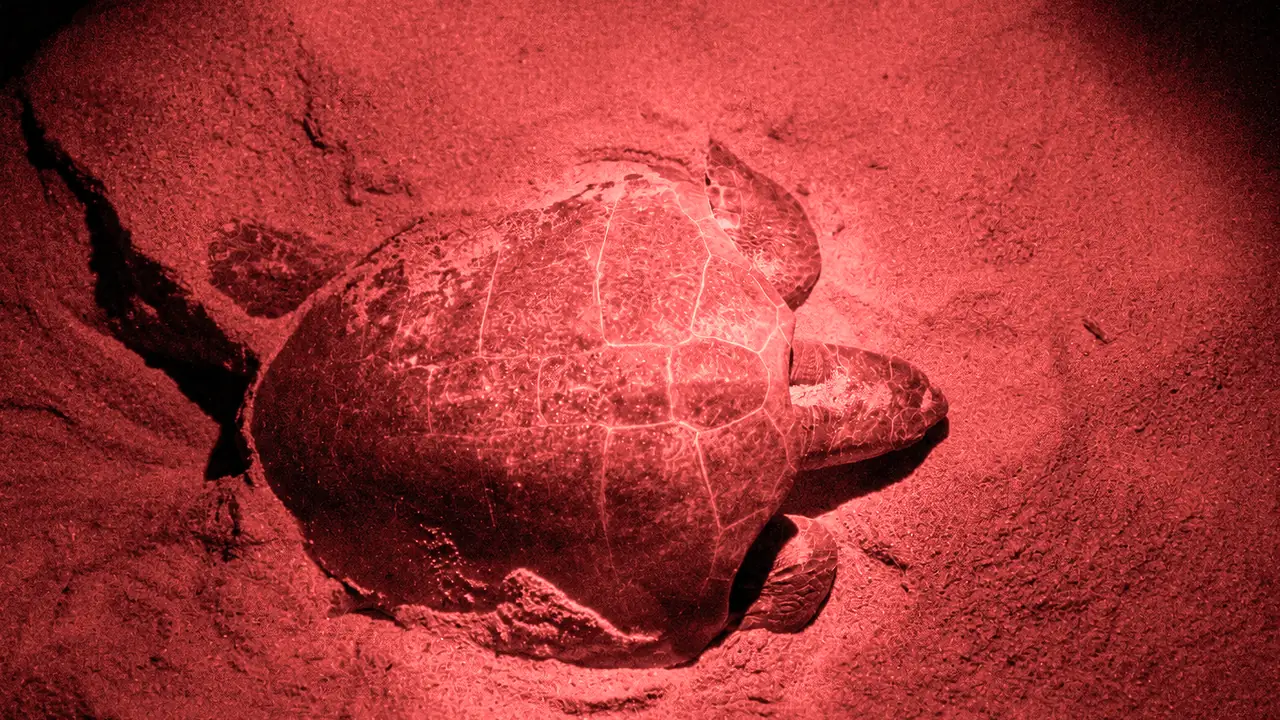
In the second stage, visitors take an ATV to the enclosure area where the nests are located. There, visitors can observe the daily work to keep the eggs safe, helping support population growth. Marine biologist Abilene Colín, ASUPMATOMA’s project director, explains how activities are conducted along this stretch of beach, known as “El Suspiro.” Spanning 13 km, the beach’s significant width allows the turtles to choose their own nesting sites. Patrols take place in the early morning, the optimal time for nesting, as it helps the turtles avoid the sun, dehydration and predators. During these patrols, the team looks for turtle tracks or encounters the turtles while they are in the process of laying their eggs.
From the beach to the nesting enclosure.
Volunteer programs last for one month, the minimum duration required for acceptance. For social service or internships, often pursued by students in related fields, the length depends on each university’s requirements; according to the camp’s staff, it is usually two months. Because training takes time, all volunteers must meet these minimum stays.
Once the turtles finish laying their eggs, and after following all established protocols, the eggs are collected and transported to the nesting enclosure. There, the team replicates the natural nest structure in a chamber shaped like a jug, with a 15 cm “neck” and a depth of approximately 45 cm. This setup protects the eggs from predators, such as coyotes, stray dogs and birds. It also shields them from beach erosion; because the site is on the open coast, tides that become exceptionally high during the full moon can create a highly dynamic environment that might otherwise jeopardize egg development.

Monitoring is continuous; all information gathered from these counts is essential for future scientific studies. This data is used to improve conservation efforts and support ongoing research through statistical analysis. Observing the behavior and development of these marine species and their environment is a primary objective of ASUPMATOMA.
Thanks to data collected over the association’s more than 30 years of work, the population has grown significantly; according to the camp’s biologists, in 1995, approximately 100 nests were recorded. As the specialists point out, the numbers do not lie: three decades of uninterrupted work have proven that conservation projects truly work. It is vital to continue supporting these initiatives to ensure that all wildlife, both marine and terrestrial, remains protected from the impact of human activity.
Cleaning the nests, counting the hatchlings.
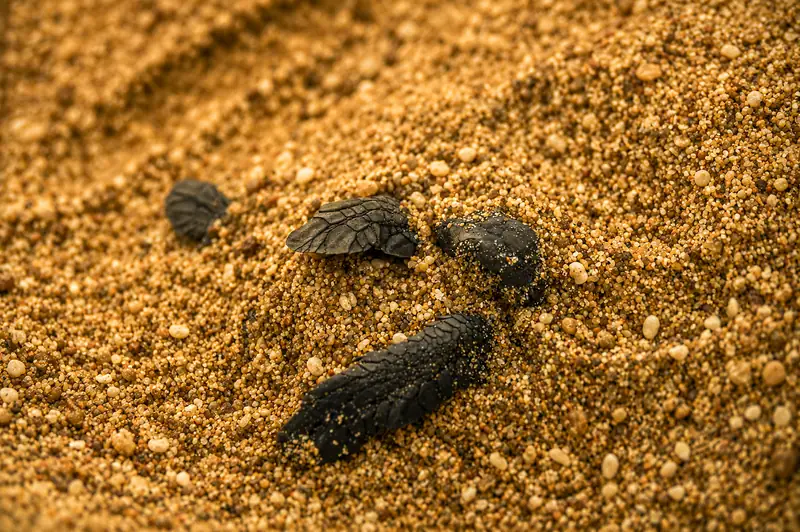
Cleaning the nests is a crucial step in the preservation process. According to the camp’s biologists, if this is delayed, larvae can develop on the umbilical cord exposed within the egg, which can be fatal to the hatchlings. Monitoring nest temperature is also vital; it is essential to replicate the conditions found in the natural environment as precisely as possible. Sea turtles are reptiles that cannot regulate their own body temperature, and the temperature of the sand even determines whether hatchlings will be male or female. During the summer, the incubation period typically lasts between 40 and 45 days, while in the winter it can extend to 60 days.

Handling hatchlings after they emerge requires careful attention to hygiene, such as using gloves to prevent cross-contamination, and to applying the correct techniques to separate and categorize them. This includes distinguishing between live and deceased hatchlings, as well as identifying eggs that have or have not developed. The findings are then recorded on a data sheet, which serves as a foundation for future statistical analysis and laboratory research.

An adult olive ridley resting on the sand.
Hatchlings digging their way up through the sand.
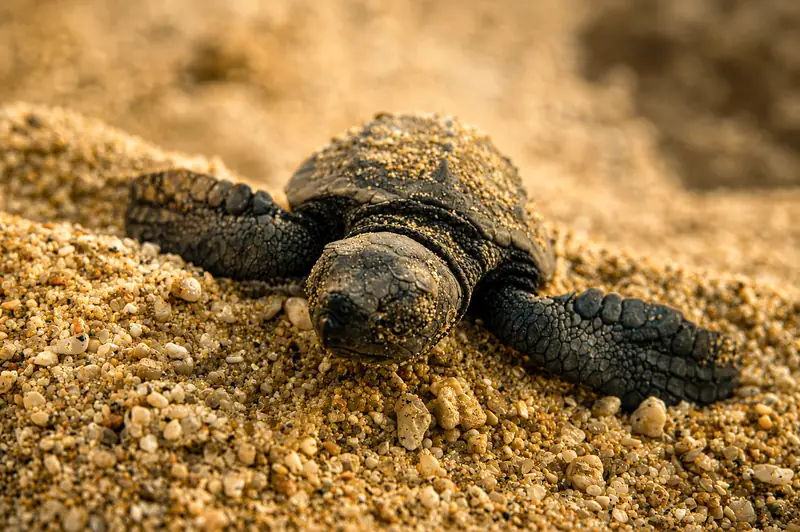
A hatchling still dusted with sand.
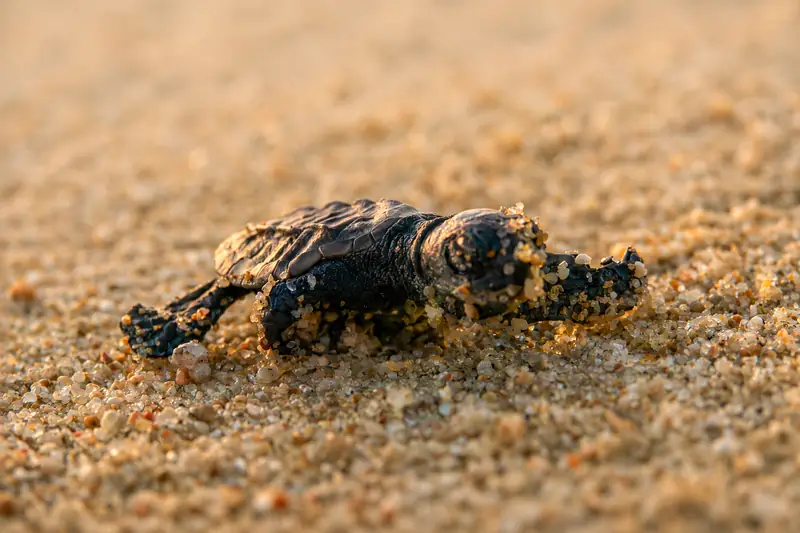
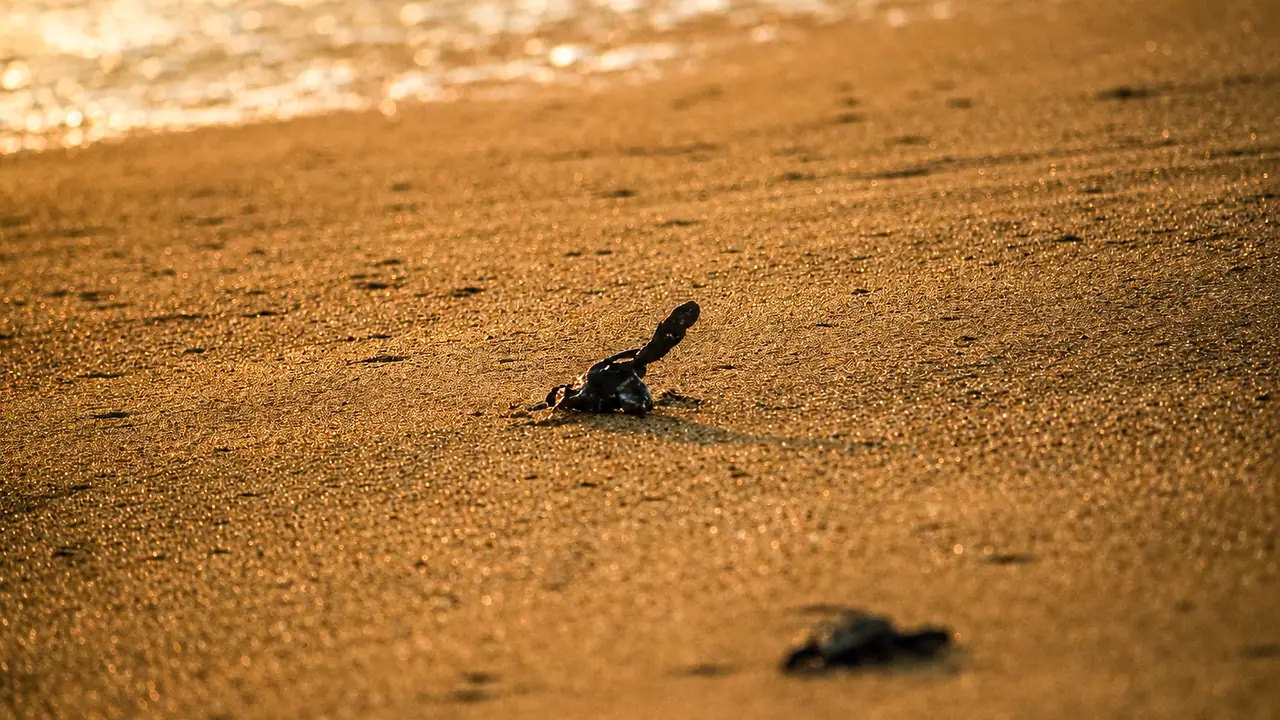
An olive ridley hatchling crawling across the sand. View on the map
A hatchling on the move, with others close behind.
A hatchling seen from sand level.
A hatchling heading across the beach.



The big day: the sea turtle release.
Undoubtedly, the crowning moment following 45 days of work that begins the instant a turtle egg is collected is the day of the release. This moment reflects the hard work, immense effort and deep satisfaction of everyone who cared for these truly wonderful creatures. The love each person pours, day after day, into these conservation projects brings the tremendous reward of watching these tiny, defenseless hatchlings head toward the sea, continuing to repopulate and enrich an ecosystem so severely impacted by humankind.
A new beginning. Several factors must be considered for the release. It is always carried out at sunset, as the lower temperatures help prevent dehydration; furthermore, the sun’s rays guide the turtles toward the sea when it lies in that direction. The hatchlings are set down on the sand and left to crawl into the sea on their own, a first walk that is believed to help them imprint on the place where they were born. This process is known as philopatry, meaning turtles remain faithful to their birthplace, ensuring that, upon reaching adulthood, they return to lay their eggs in the same location where they hatched. Statistics indicate that only 1 in every 1,000 will survive to adulthood.
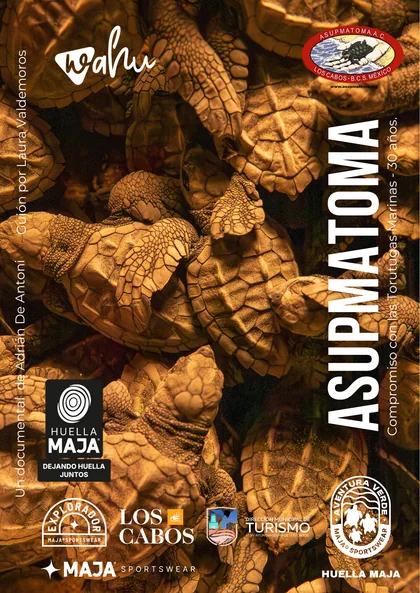
ASUPMATOMA, the documentary.
ASUPMATOMA (2025), the documentary directed by Adrián De Antoni and written by Laura Valdemoros, tells the story of the association’s three decades protecting sea turtles in Los Cabos. It was made with MAJA Sportswear and its Huella MAJA program, and it streams on Wahu, Mexico’s independent film platform.

Laura Valdemoros
Born in Argentina and based in Los Cabos, Laura is a bilingual content writer specializing in tourism, nature, gastronomy, lifestyle, luxury travel, culture and alternative education.
Read Laura’s full biography
She creates blogs, newsletters, articles, documentary scripts, advertising copy and subtitles in Spanish and English, combining research, creativity and clear communication.
With a university-level technical qualification in Tourism and postgraduate training in Environmental Management and Sustainable Development, she brings a broad perspective to every project. Her experience in museums, visitor services and educational guidance for homeschooling and unschooling helps her understand different audiences and turn complex ideas into approachable, engaging content.
Proactive and committed to every project she undertakes, Laura currently develops editorial and audiovisual projects, collaborates with nature-focused organizations and is working on a book about education outside the traditional school system.
Sources and photography
Story by Laura Valdemoros, with factual editing by What’s in Cabo. Sources checked November 9, 2026. Hero coordinates: the point the author marked on Google Maps (22.9365, −110.0454), on the stretch of Playa El Suspiro between Rancho Punta San Cristóbal and Cabo Falso, on the Pacific coast of Cabo San Lucas; the camp itself is not mapped on OpenStreetMap. Laura’s biography was provided by the contributor.
- ASUPMATOMA (official site) · The El Suspiro sea turtle camp: releases, volunteering and nest adoption
- ASUPMATOMA · Our history: from René Pinal’s ranch in the early 1990s to a nonprofit formalized on February 15, 1995
- ASUPMATOMA · Our work: night patrols on three beaches, including the 13-km Playa El Suspiro
- ASUPMATOMA · Sea turtles of Baja California Sur: five species, two that come to feed and three that nest
- Gringo Gazette (2025) · 30 years protecting turtles in Los Cabos: 1,140 nests in 2024–25
- NOAA Fisheries · Olive ridley turtle: arribadas, nesting and temperature-dependent sex
- SWOT Report vol. XVI · Olive ridleys: where arribadas happen
- SEMARNAT · Six of the world’s seven sea turtle species live in Mexican waters
- Diario Oficial de la Federación · NOM-162-SEMARNAT-2012: rules for sea turtle nests, hatcheries and releases
- Cámara de Diputados · Federal Penal Code, article 420
- Wahu · ASUPMATOMA, documentary by Adrián De Antoni (2025)
Story photographs © Adrián De Antoni, edited by the photographer. Film details from Adrián De Antoni’s page on What’s in Cabo and from Wahu. Guide cards use photographs from the linked What’s in Cabo guides.