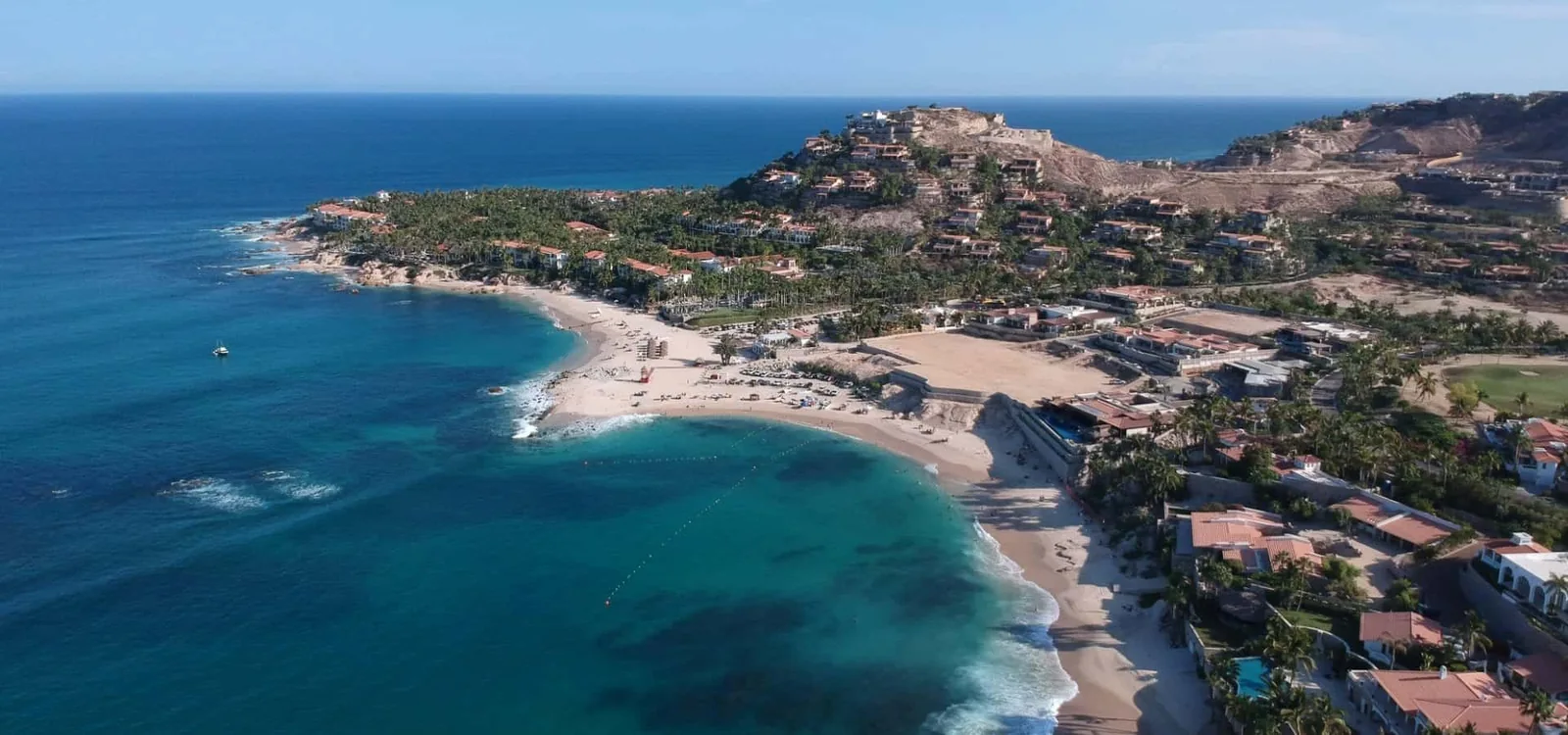


Why it is called the East Cape.
This vast territory is known as the “East Cape” due to its precise geographical location; it encompasses the eastern coastal strip of the peninsula’s southern tip, from San José del Cabo to Los Barriles, the side facing the Gulf of California where the sun rises each morning, offering unforgettable dawns.

An Eden between the desert and the sea.
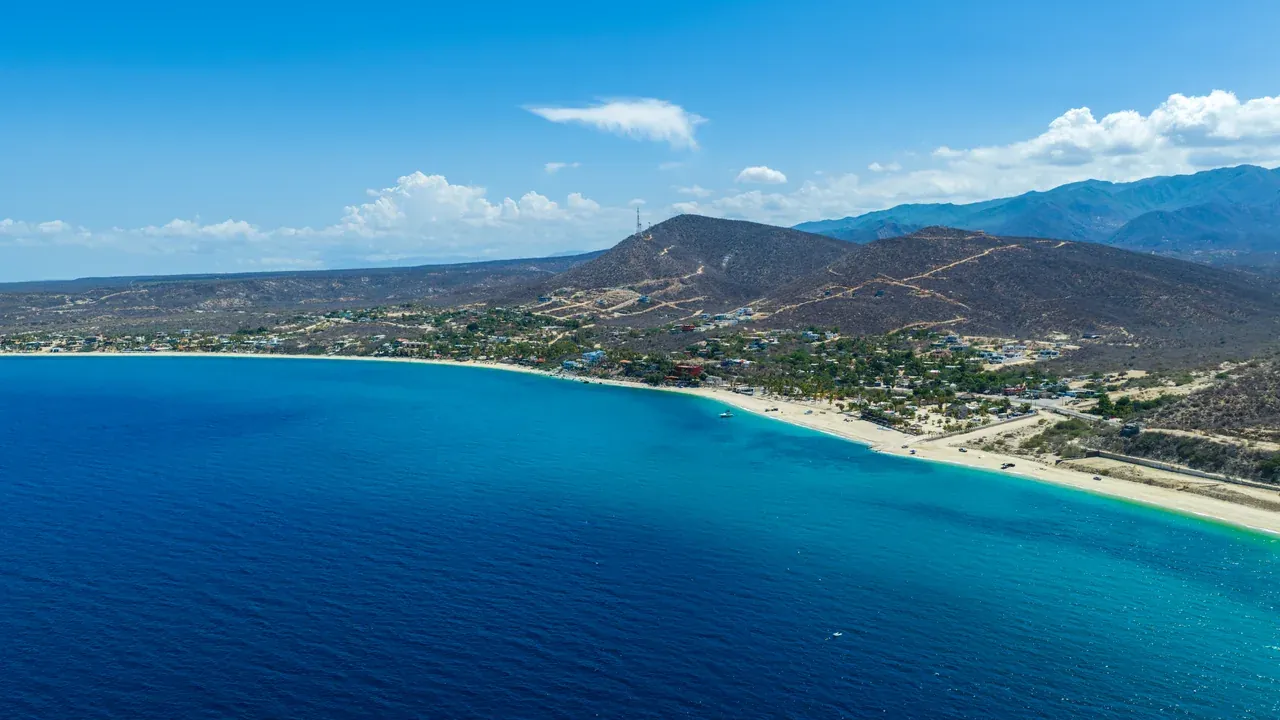
The East Cape is a vast, fascinating corridor home to numerous strategic spots for surfers and a wide array of thrilling marine activities. Beyond its impressive waves, the area features miles of winding dirt roads and largely pristine beaches, making it an Eden for camping, snorkeling among ancient reefs, and off-road exploration. It is a setting of absolute peace, where the desert’s profound silence is broken only by the sound of crashing waves. The brown hues of the desert contrast with the turquoise of the sea, creating one of the destination’s most striking features, resulting in a beauty that is as exotic as it is exclusive.
From San José del Cabo to Los Barriles.
Along this captivating scenic route, several essential stops define the essence of the East Cape. Beginning the journey from San José del Cabo, the coastal road leads to renowned surf spots like Nine Palms, before continuing toward the tranquil waters of Los Frailes and the biological treasure of Cabo Pulmo, a National Park that protects the only coral reef in the Sea of Cortez. Further north, the route connects to the peaceful marina of La Ribera and culminates in the lively bay of Los Barriles, famous for its wind-based sports and sport fishing.
A responsibility as vast as the corridor.
However, the vastness of this corridor carries with it a significant environmental responsibility. It is vital to keep this ecosystem healthy by protecting fragile coral reefs and respecting the native flora that helps prevent coastal erosion. Becoming aware of the need to care for these spaces while avoiding any disruption to the cycles of the local wildlife is the only way to ensure that future generations continue to have the wonderful privilege of enjoying these paradises in their purest state.
Los Barriles: tradition, wind and tranquility.
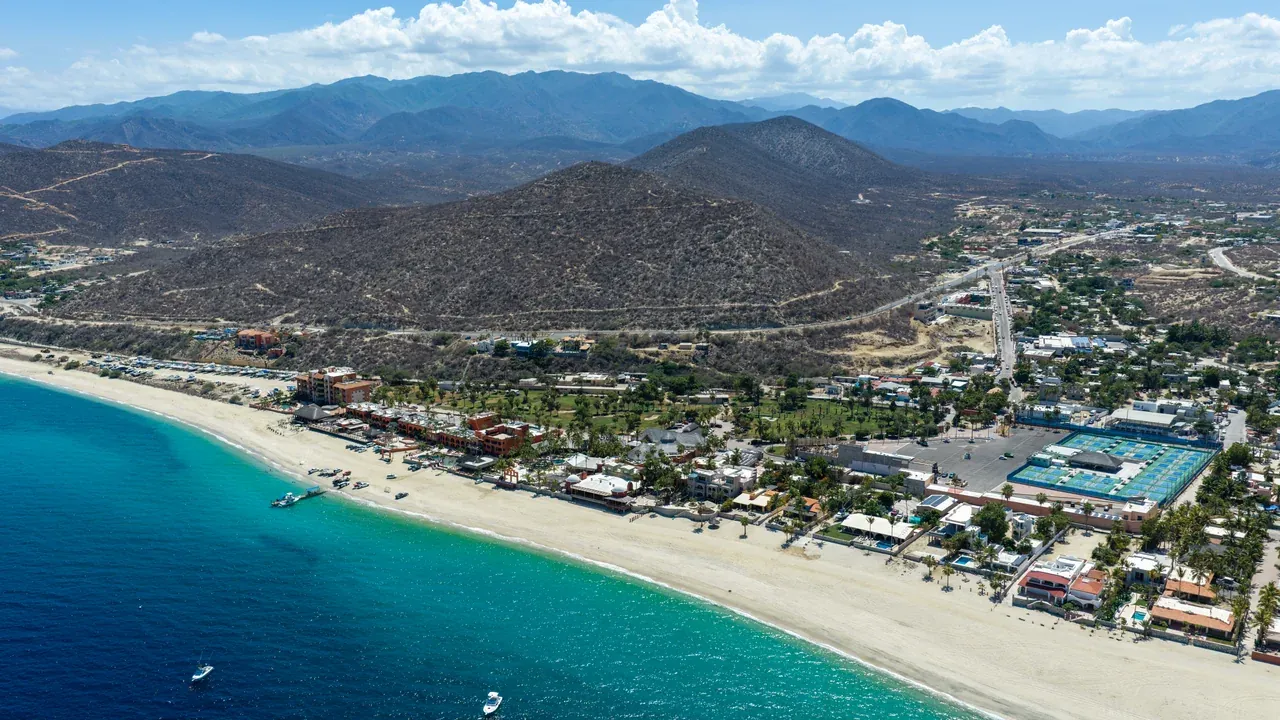
In the heart of this majestic eastern corridor lies a vibrant community. The history of Los Barriles is much like that of many other picturesque towns in Baja, forged through the hard work of its early inhabitants and their profound respect for the sea. The origin of its unique name is quite captivating: oral tradition holds that, centuries ago, sailors, merchant vessels, and even pirates would bury large barrels in the coastal sands to store fresh water for their long voyages—a historical detail that gave the bay its enduring name.
Today, this charming enclave serves as a welcoming home to many immigrants and expatriates who have chosen to embrace the immense tranquility this paradise offers. This serene community sits peacefully along the shores of what is known as the “world’s greatest aquarium”—a body of water that, as the story goes, was named by the conquistador Hernán Cortés.
Beyond its relaxed atmosphere, the town is world-renowned for its weather conditions. During the winter months, the famous northerly winds turn the bay into an ideal spot for kiteboarding and windsurfing, drawing athletes from around the world. It is also a legendary destination for catch-and-release sport fishing.
As is the case throughout the entire region, conservation plays a central role. Preserving clean waters, eradicating plastic pollution, and promoting sustainable tourism are essential actions. Protecting the biological richness of this area ensures that the magic of Los Barriles endures, allowing nature to continue to thrive and bestow life upon those who choose to visit in the future.

Laura Valdemoros
Born in Argentina and based in Los Cabos, Laura is a bilingual content writer specializing in tourism, nature, gastronomy, lifestyle, luxury travel, culture and alternative education.
Read Laura’s full biography
She creates blogs, newsletters, articles, documentary scripts, advertising copy and subtitles in Spanish and English, combining research, creativity and clear communication.
With a university-level technical qualification in Tourism and postgraduate training in Environmental Management and Sustainable Development, she brings a broad perspective to every project. Her experience in museums, visitor services and educational guidance for homeschooling and unschooling helps her understand different audiences and turn complex ideas into approachable, engaging content.
Proactive and committed to every project she undertakes, Laura currently develops editorial and audiovisual projects, collaborates with nature-focused organizations and is working on a book about education outside the traditional school system.
Sources and photography
Story by Laura Valdemoros, with factual editing by What’s in Cabo. Sources checked November 6, 2026. Hero coordinates: OpenStreetMap, Los Barriles (node 1408813617). The coastal route distance is a route calculation on OpenStreetMap data, not a published figure. Laura’s biography was provided by the contributor.
- Visit Los Cabos · East Cape: from San José del Cabo to Cabo Pulmo, dirt roads and surfing
- Visit Los Cabos · Los Barriles: windsurfing and kiteboarding from December to March, and sport fishing
- Visit Los Cabos · Off-roading on the East Cape and the Cabo Pulmo reef
- Diario Oficial de la Federación (June 6, 1995) · Decree protecting Cabo Pulmo and its reef
- CONANP · Cabo Pulmo National Park Management Program (DOF, November 13, 2009): the only coral reef in the Sea of Cortez
- Cabo Pulmo Responsible Tourist Guide (Visit Los Cabos, Niparajá and CONANP): camping beaches and turtle season
- Desde el Herbario CICY (2022) · Dune plants hold the sand and prevent beach erosion
- OpenStreetMap · Los Barriles (coordinates)
Story photographs © Adrián De Antoni, from his What’s in Cabo production archive. Guide cards use photographs from the linked What’s in Cabo guides.