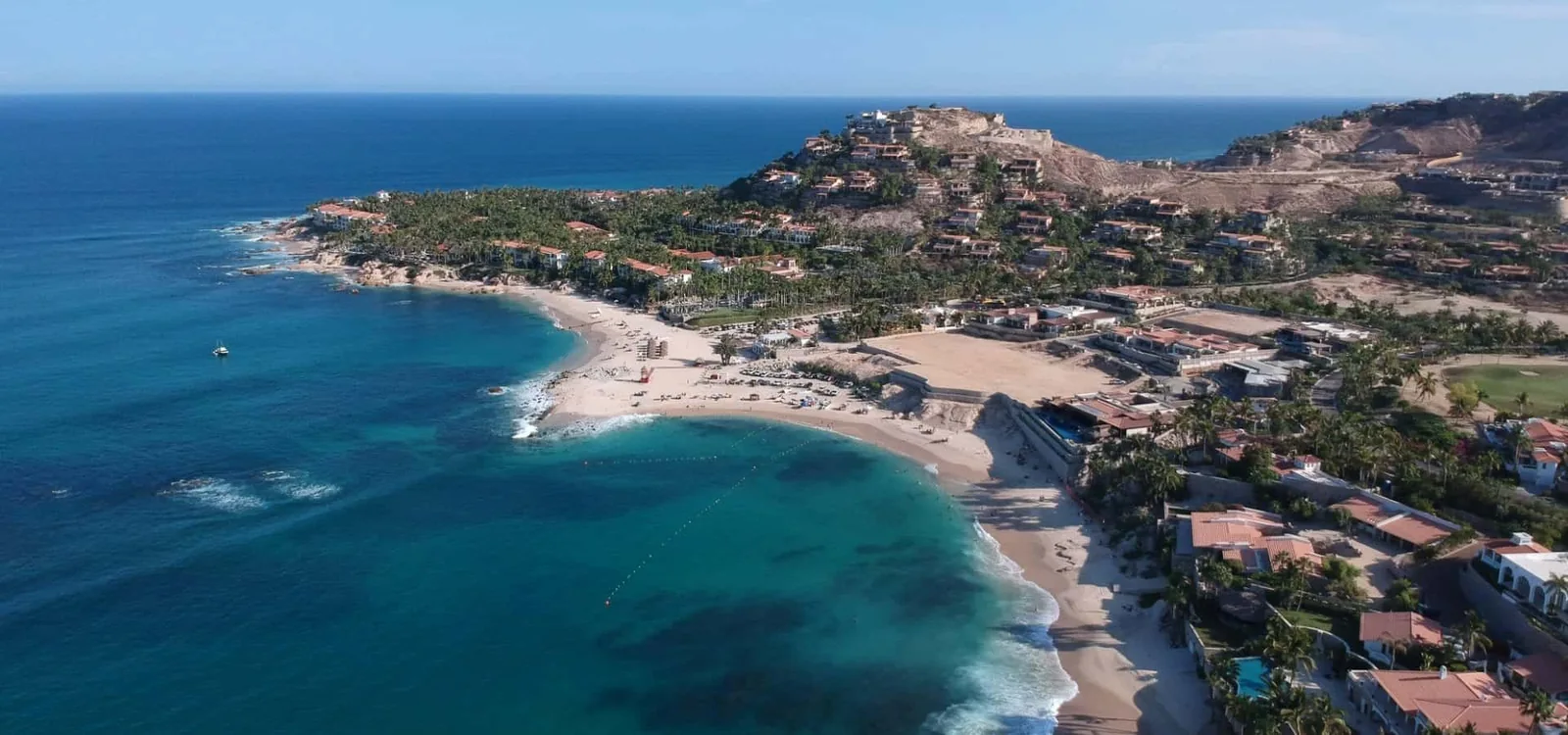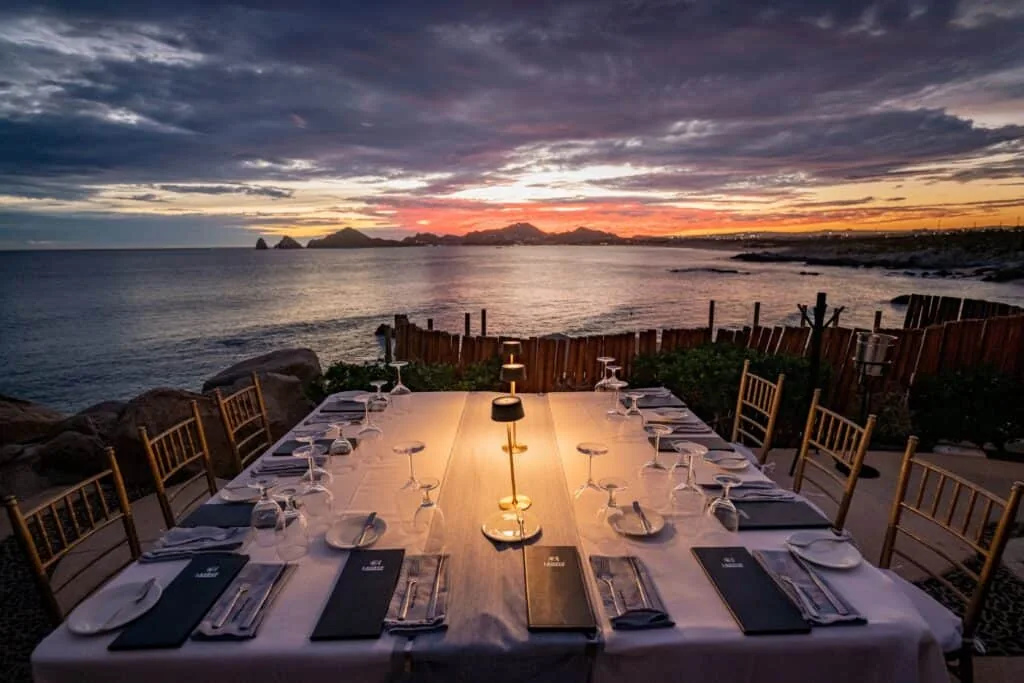


The Cabo Pulmo reef, a true paradise.
When it comes to true paradises, Cabo Pulmo is a must-mention. Recognized by UNESCO as part of the “Islands and Protected Areas of the Gulf of California” World Heritage Site, this authentic marine Eden is located on the east coast of the peninsula, approximately two hours from San José del Cabo. It is home to the only coral reef in the Sea of Cortez and one of the oldest in the eastern Pacific, a biological treasure that captivates those seeking a pure and respectful connection with nature.
Vision, commitment and a reef reborn.
The story of Cabo Pulmo is an inspiring testament to vision and community commitment. After an intensive effort led by local families, the area’s commercial fishing was halted on June 6, 1995, when the site was declared a Protected Natural Area as a National Marine Park (Cabo Pulmo National Park since 2000). This milestone triggered a remarkable biological phenomenon: within a decade, fish biomass increased by an astounding 463%, the largest increase in fish biomass ever measured in a marine reserve worldwide.
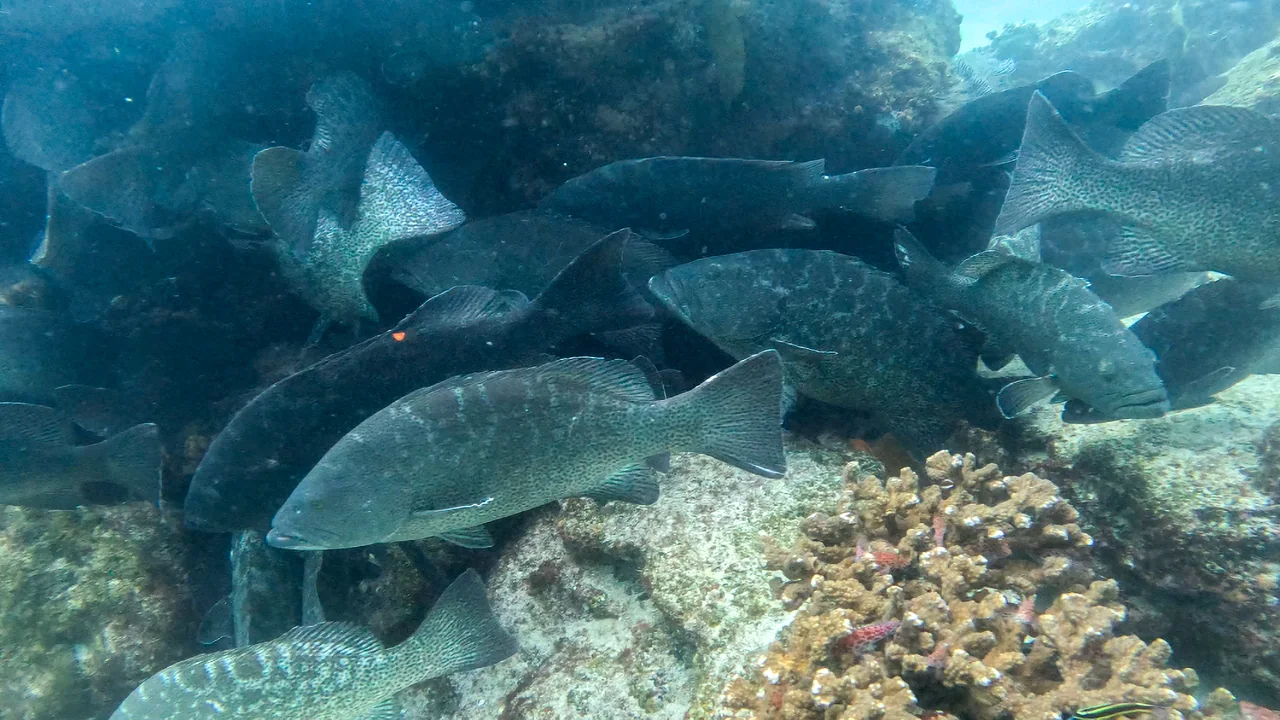
Also designated as a Ramsar Site (a wetland of international importance) in 2008, Cabo Pulmo looks toward a future as an undisputed benchmark for regenerative tourism and community-based conservation. Its management program sets strict limits on group sizes, divers per guide and boats per mooring to protect its hard-coral colonies and the wildlife they shelter, such as majestic bull sharks, showing the world that ocean recovery is possible when ecological balance is prioritized.

Two roads to the sanctuary.
You can reach this sanctuary by land in two ways. The first is via the Transpeninsular Highway (Highway 1), taking the paved turnoff toward the community of La Ribera. The second option involves following the coast along a dirt road that winds through the picturesque East Cape corridor. Although this route takes a bit longer, it offers an unforgettable visual spectacle where the desert meets the crystalline blue of the Sea of Cortez, making every kilometer well worth the journey.
Tornadoes of jacks, rays and sea lions.
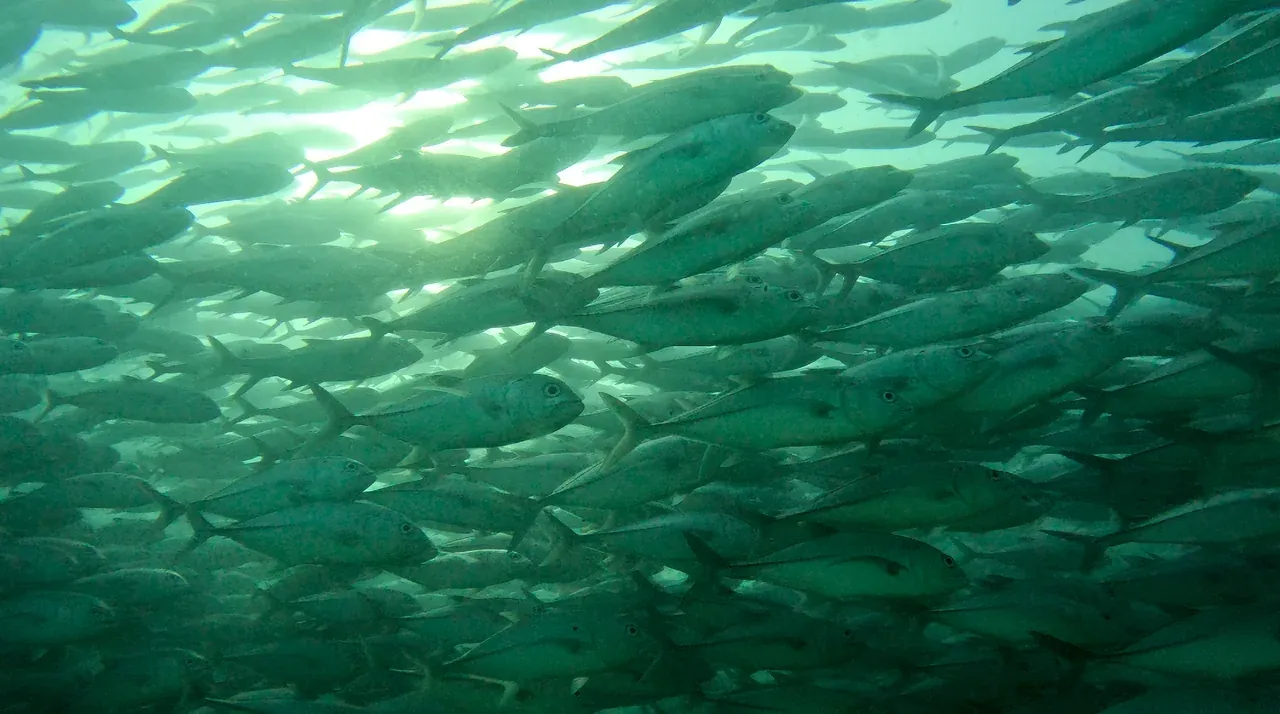
Diving in Cabo Pulmo’s waters is an unparalleled experience. Among its premier activities are scuba diving and snorkeling at iconic sites like El Bajo or Los Cantiles, where visitors can swim surrounded by stunning “tornadoes” of jack fish, mobula rays, sea turtles, and sea lions. It is also a fantastic destination for kayaking, paddleboarding, or, during the winter season, observing cetaceans.
Strict rules for a fragile ecosystem.
To preserve this fragile ecosystem, there are strict, non-negotiable rules: commercial fishing and the removal of any marine life are strictly prohibited, and so is swimming or diving with sunscreen that is not biodegradable. Furthermore, all tourism activities are closely monitored: tour operators must be authorized by CONANP, diving and kayaking are done with an authorized guide, and visitors are asked to choose local operators, ensuring both the safety of visitors and the protection of marine life.

A beacon of hope for the planet.
Cabo Pulmo stands as a source of pride for Baja California Sur and a beacon of hope for the planet, a place where nature has flourished once again and a reminder of the incalculable value of protecting our seas.

Laura Valdemoros
Born in Argentina and based in Los Cabos, Laura is a bilingual content writer specializing in tourism, nature, gastronomy, lifestyle, luxury travel, culture and alternative education.
Read Laura’s full biography
She creates blogs, newsletters, articles, documentary scripts, advertising copy and subtitles in Spanish and English, combining research, creativity and clear communication.
With a university-level technical qualification in Tourism and postgraduate training in Environmental Management and Sustainable Development, she brings a broad perspective to every project. Her experience in museums, visitor services and educational guidance for homeschooling and unschooling helps her understand different audiences and turn complex ideas into approachable, engaging content.
Proactive and committed to every project she undertakes, Laura currently develops editorial and audiovisual projects, collaborates with nature-focused organizations and is working on a book about education outside the traditional school system.
Sources and photography
Story by Laura Valdemoros, with factual editing by What’s in Cabo. Sources checked November 5, 2026. Hero coordinates: OpenStreetMap, Cabo Pulmo Community Visitor Center (node 4457400692). Laura’s biography was provided by the contributor.
- Diario Oficial de la Federación (June 6, 1995) · Decree declaring Cabo Pulmo a National Marine Park
- CONANP · Cabo Pulmo National Park Management Program (DOF, November 13, 2009): the only reef in the Sea of Cortez, 7,111 ha, park rules and limits
- Aburto-Oropeza et al., PLoS ONE (2011) · A 463% increase in fish biomass at Cabo Pulmo, 1999–2009
- Ramsar Sites Information Service · Parque Nacional Cabo Pulmo, site no. 1778 (2008)
- UNESCO World Heritage Centre (archived page) · Islands and Protected Areas of the Gulf of California (2005)
- Lara-Lizardi et al., PeerJ (2024) · Bull sharks in Cabo Pulmo National Park
- Visit Los Cabos · Cabo Pulmo, about two hours from San José del Cabo
- OpenStreetMap · Cabo Pulmo Community Visitor Center (coordinates)
Story photographs © Adrián De Antoni, from his What’s in Cabo production archive. Guide cards use photographs from the linked What’s in Cabo guides.